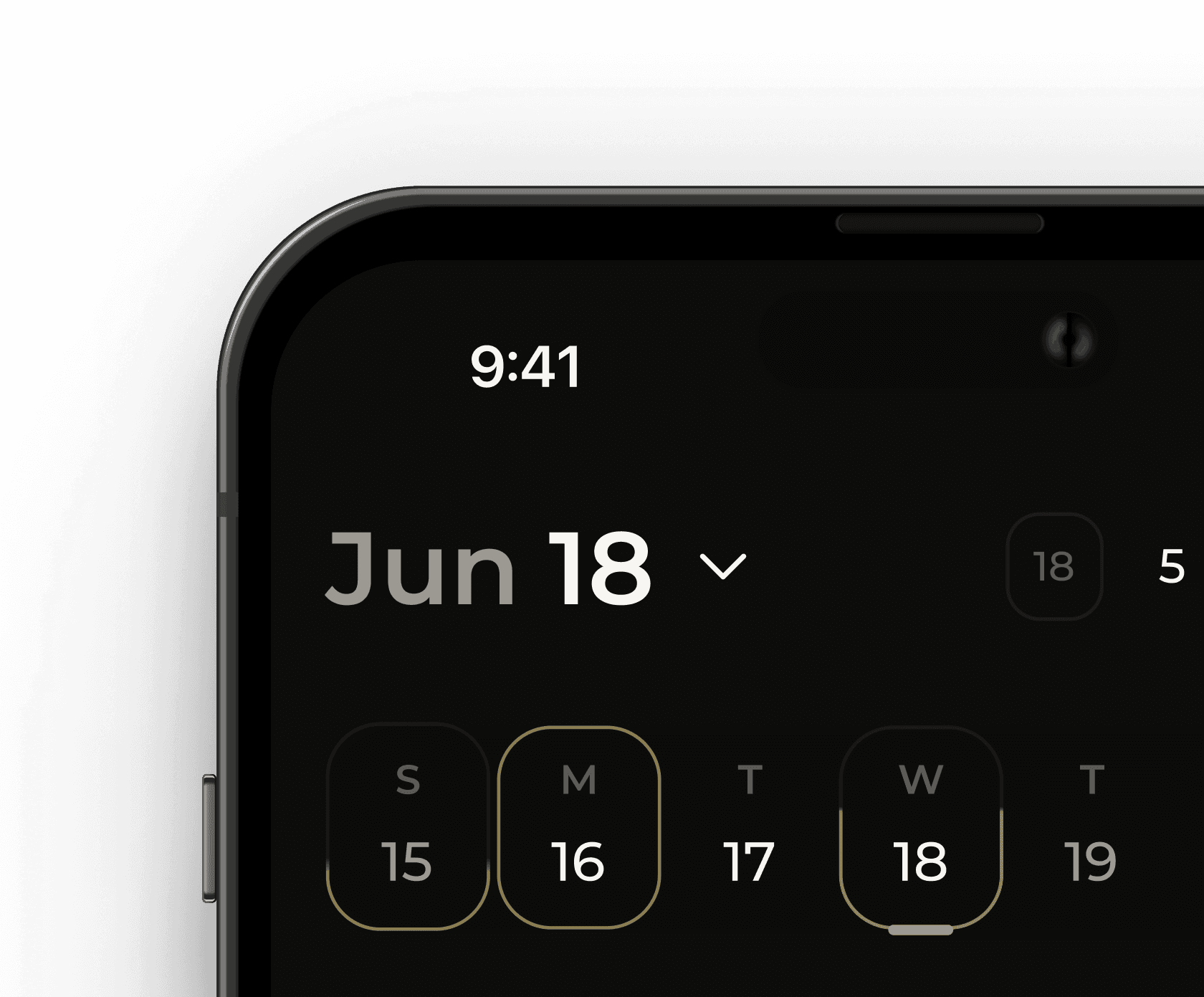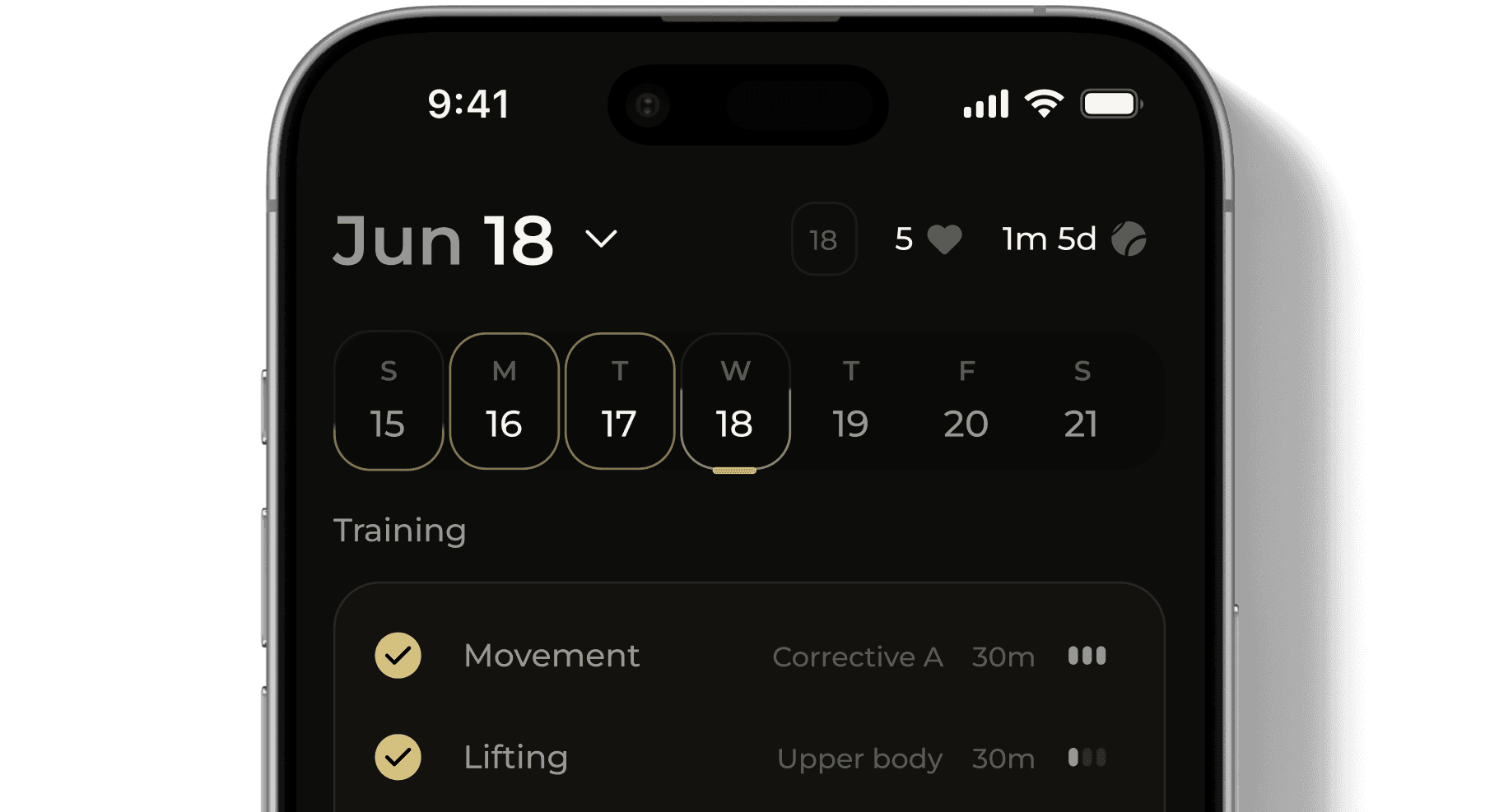
App gamification
Product
Tread is an online and offline service for remote baseball training.
Problem
Athletes train irregularly between coaching sessions.
The primary interaction is a chat with a coach every 2–3 days, which:
doesn't form a daily habit.
reduces the perceived value of the subscription.
creates a risk of athletes moving outside the platform.
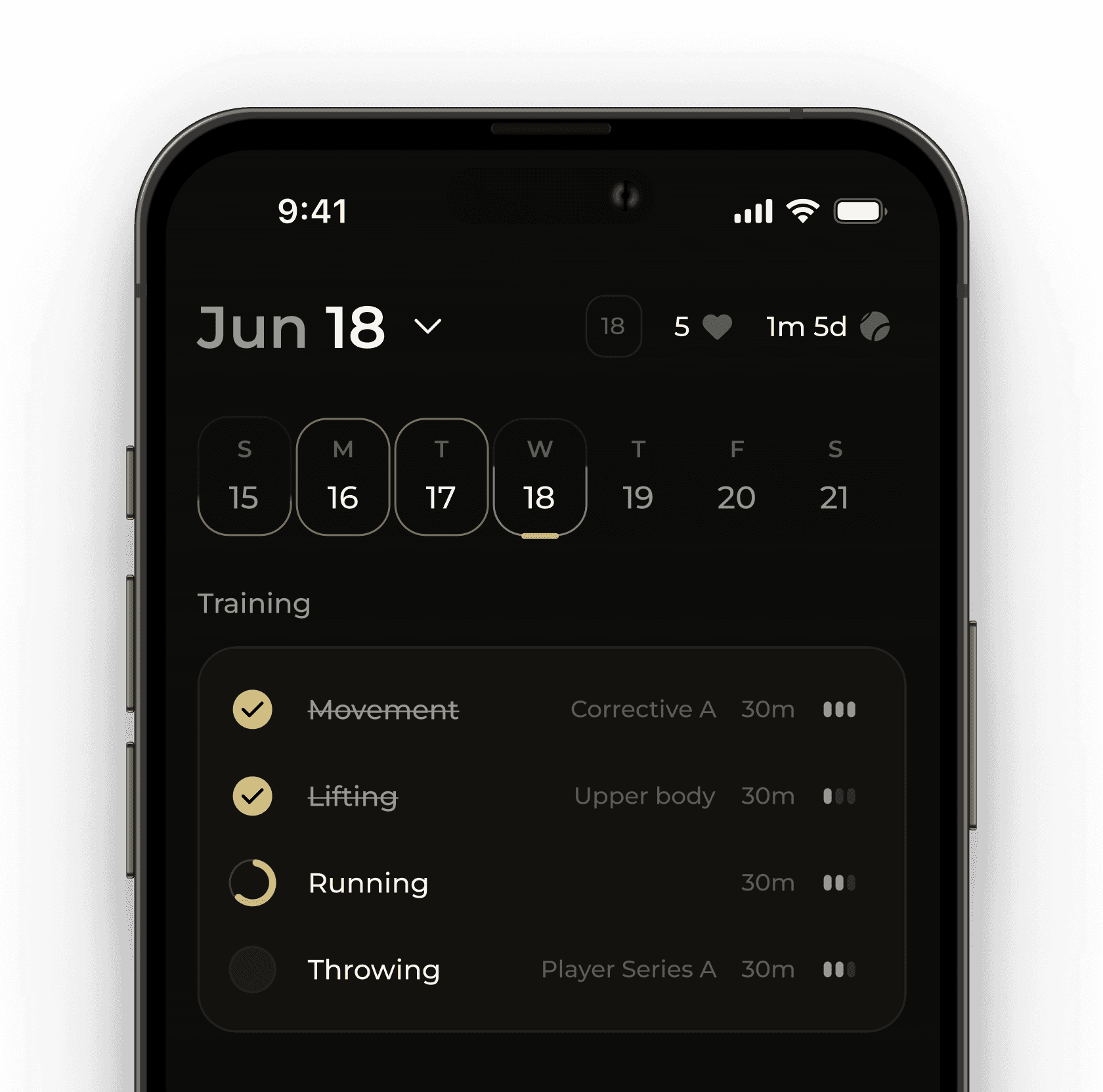
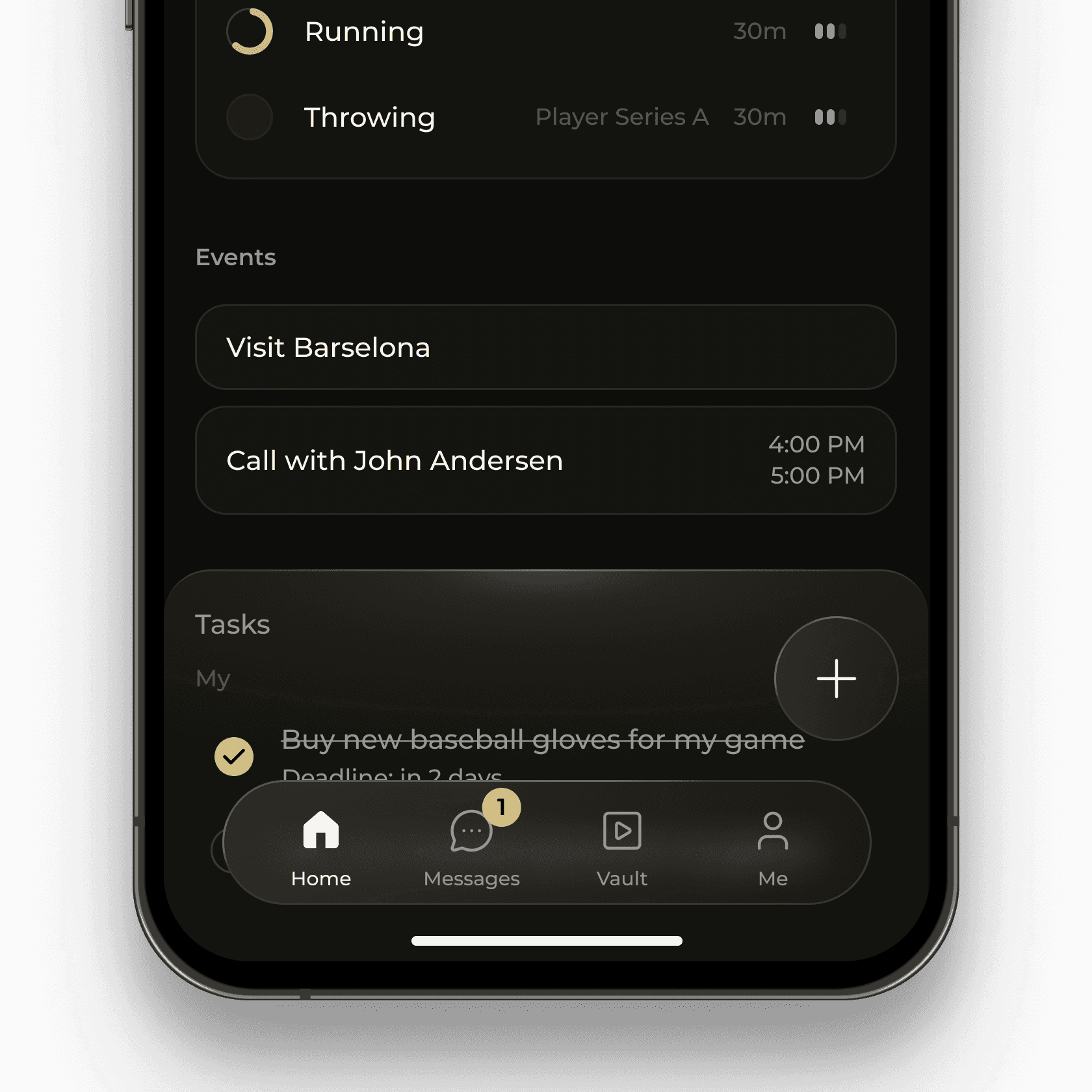
Final shots
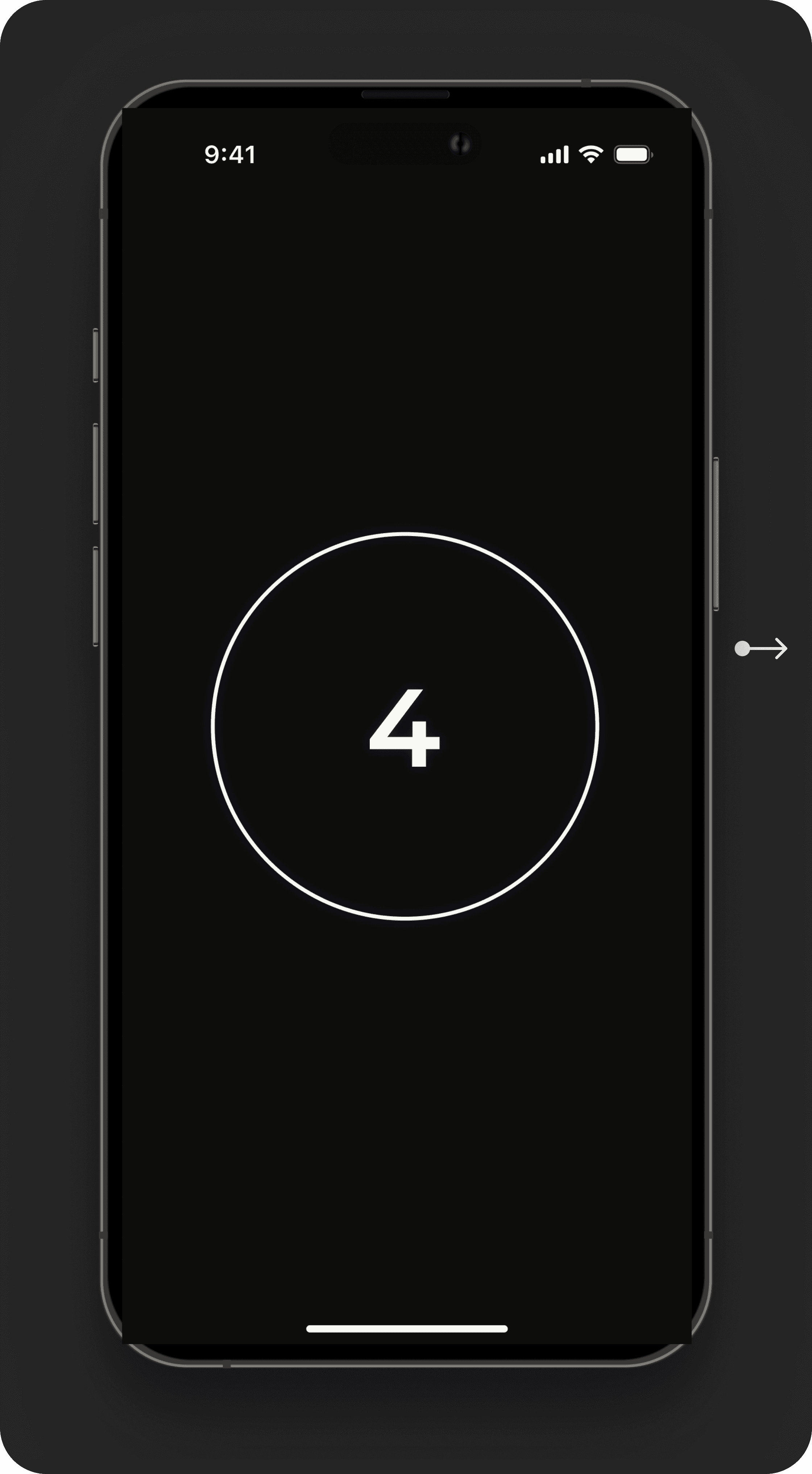
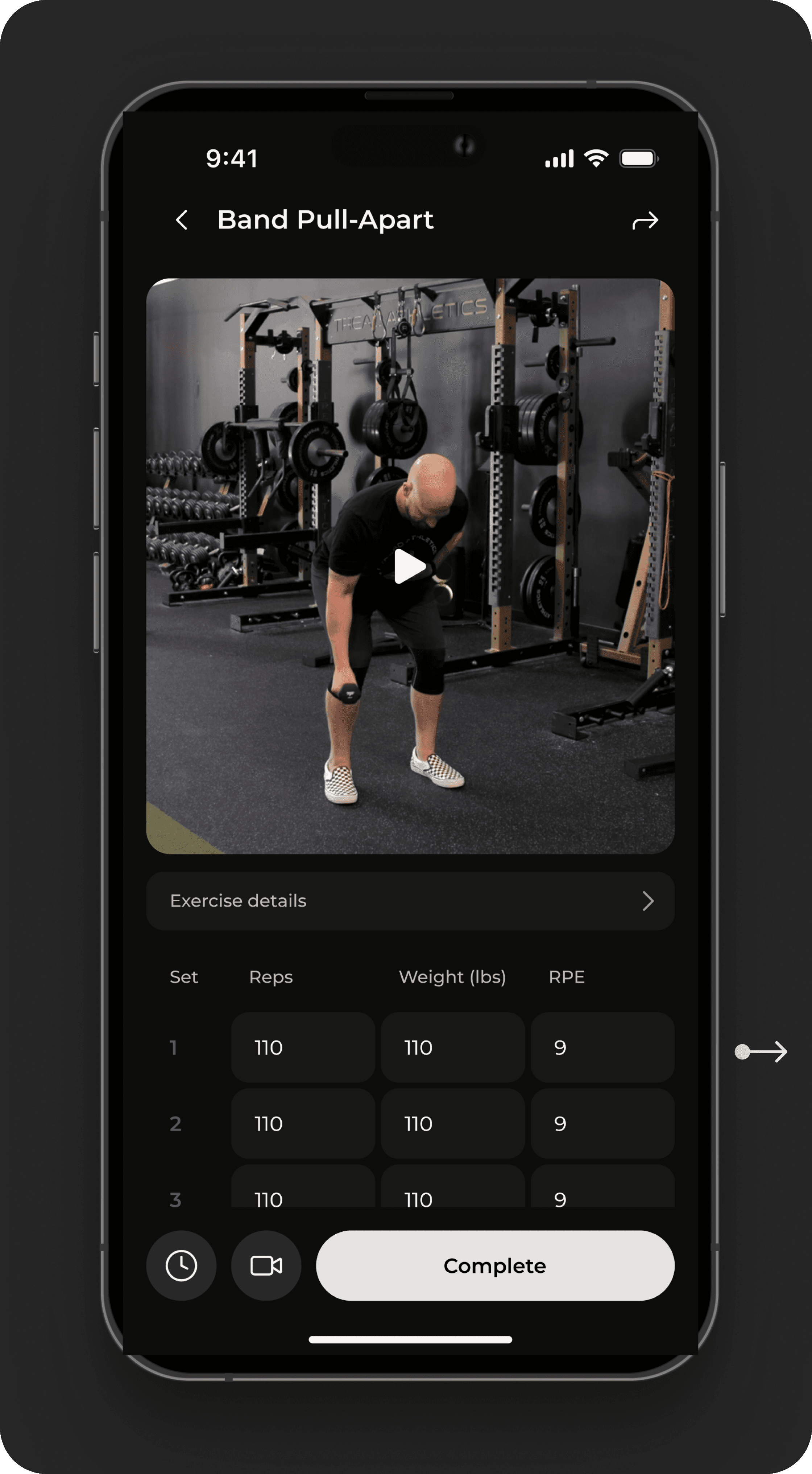
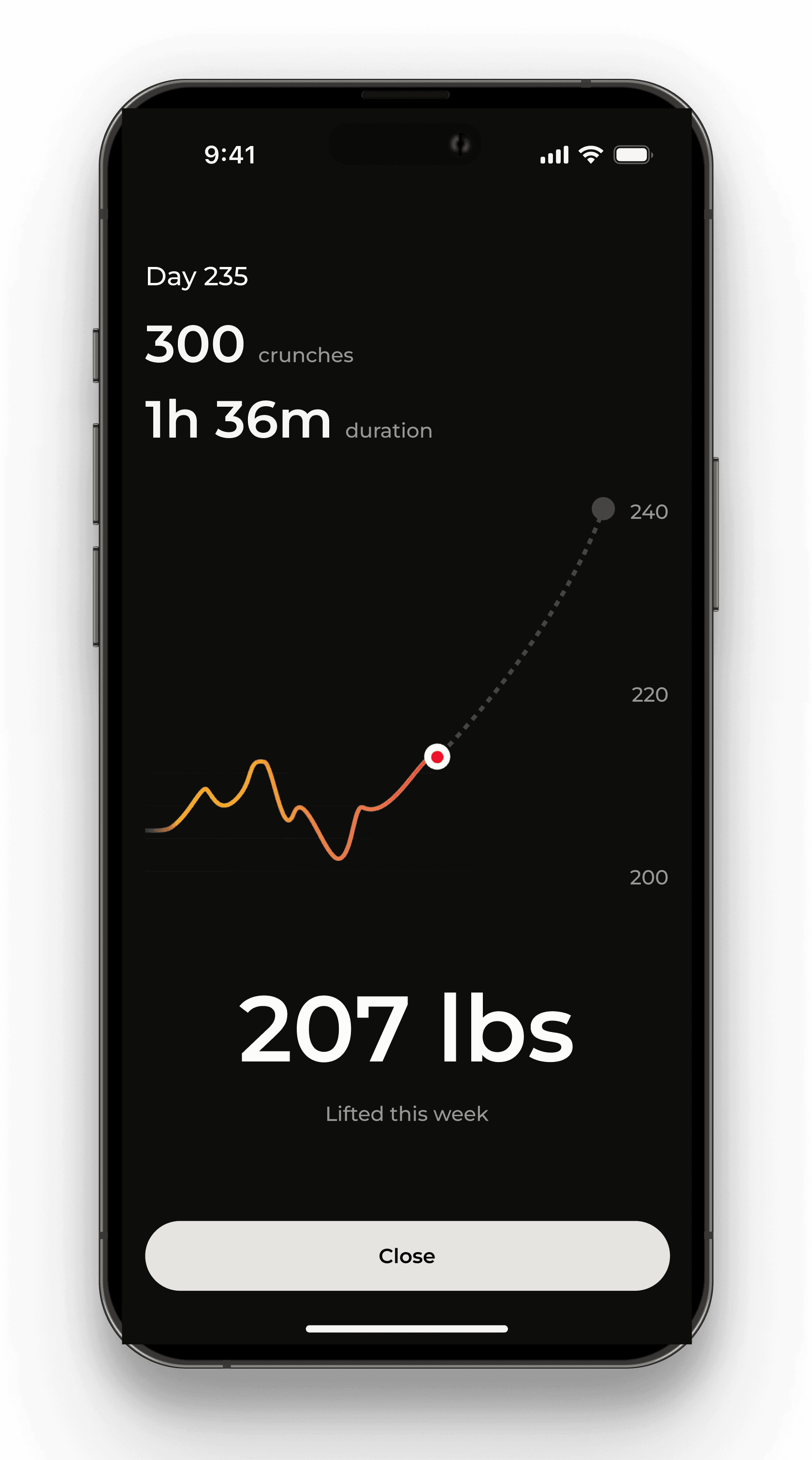
My role
In this concept, I worked as a Product Designer.
I was responsible for:
Defining the problem and task understanding
Discovery
Hypothesis generation
Hypothesis prioritization
Design iterations
Defining core gamification mechanics
Conducted expert interview
Why gamification?
Learning through interactive engagement
Positive reinforcement
Building a daily habit
Reducing churn risk
Which gamification type?
Focus on performance-based progress, not “fun for fun’s sake”
Suitable for ages 14–20
Reinforces the core product value — becoming a better athlete
Task understanding
Input
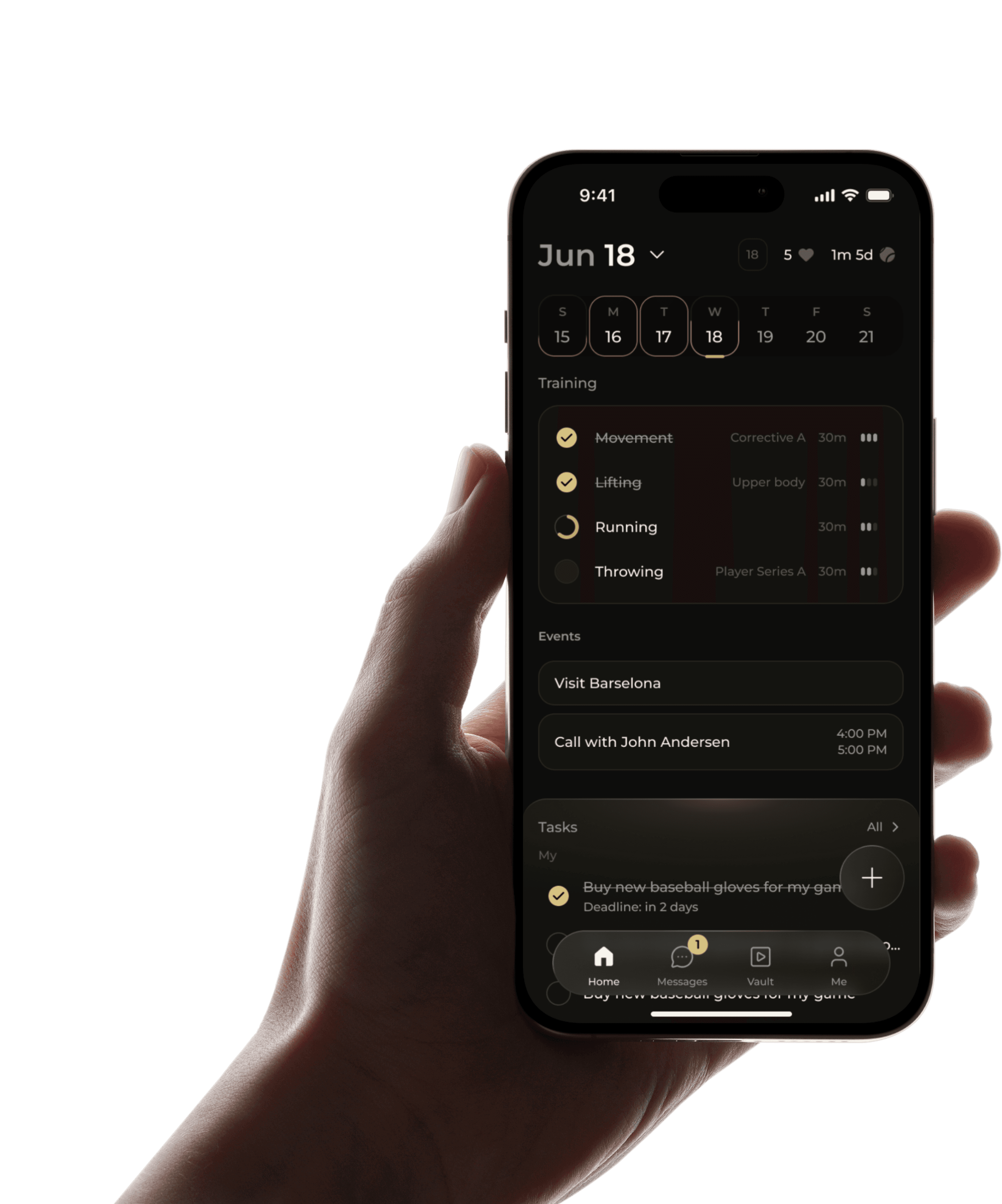
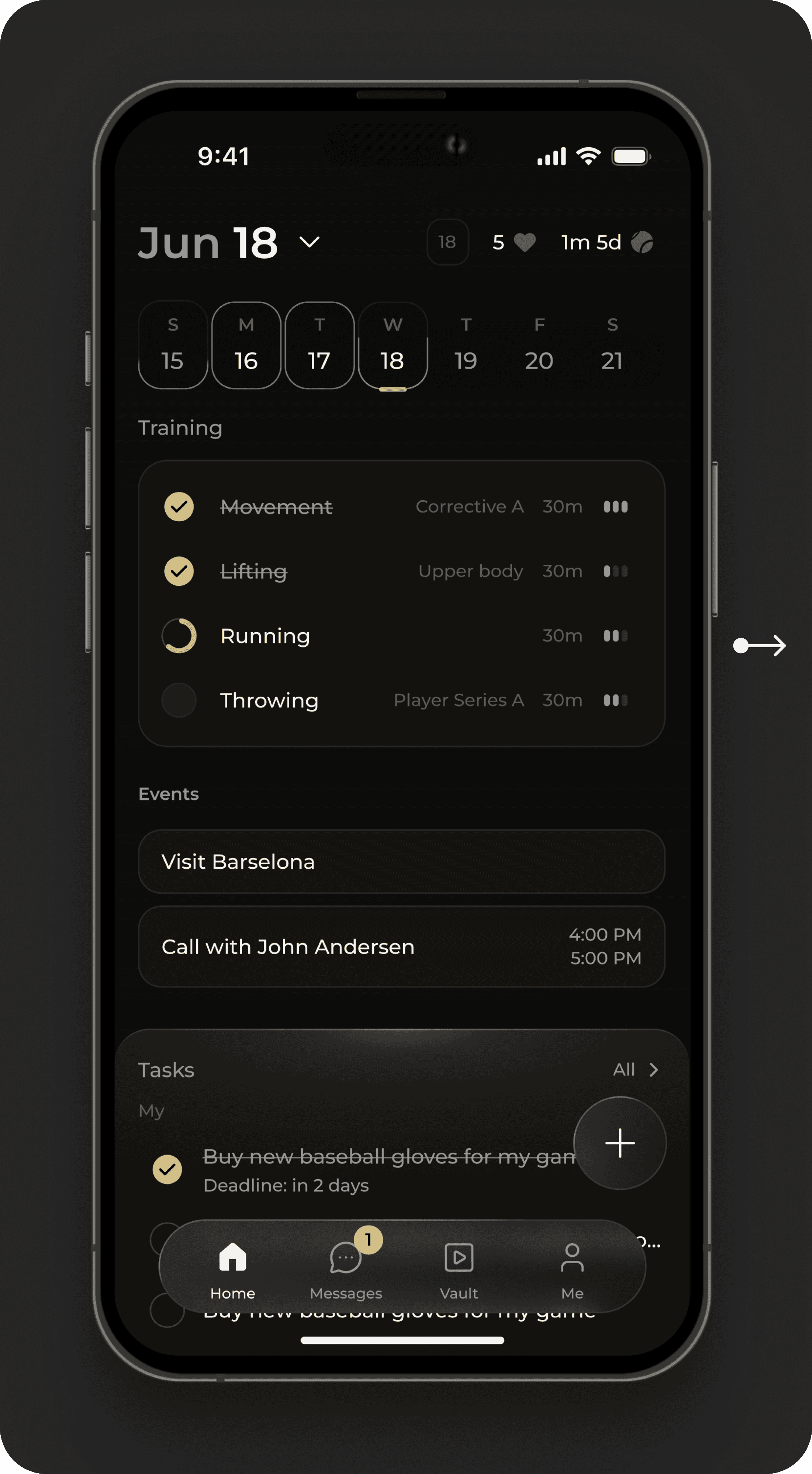
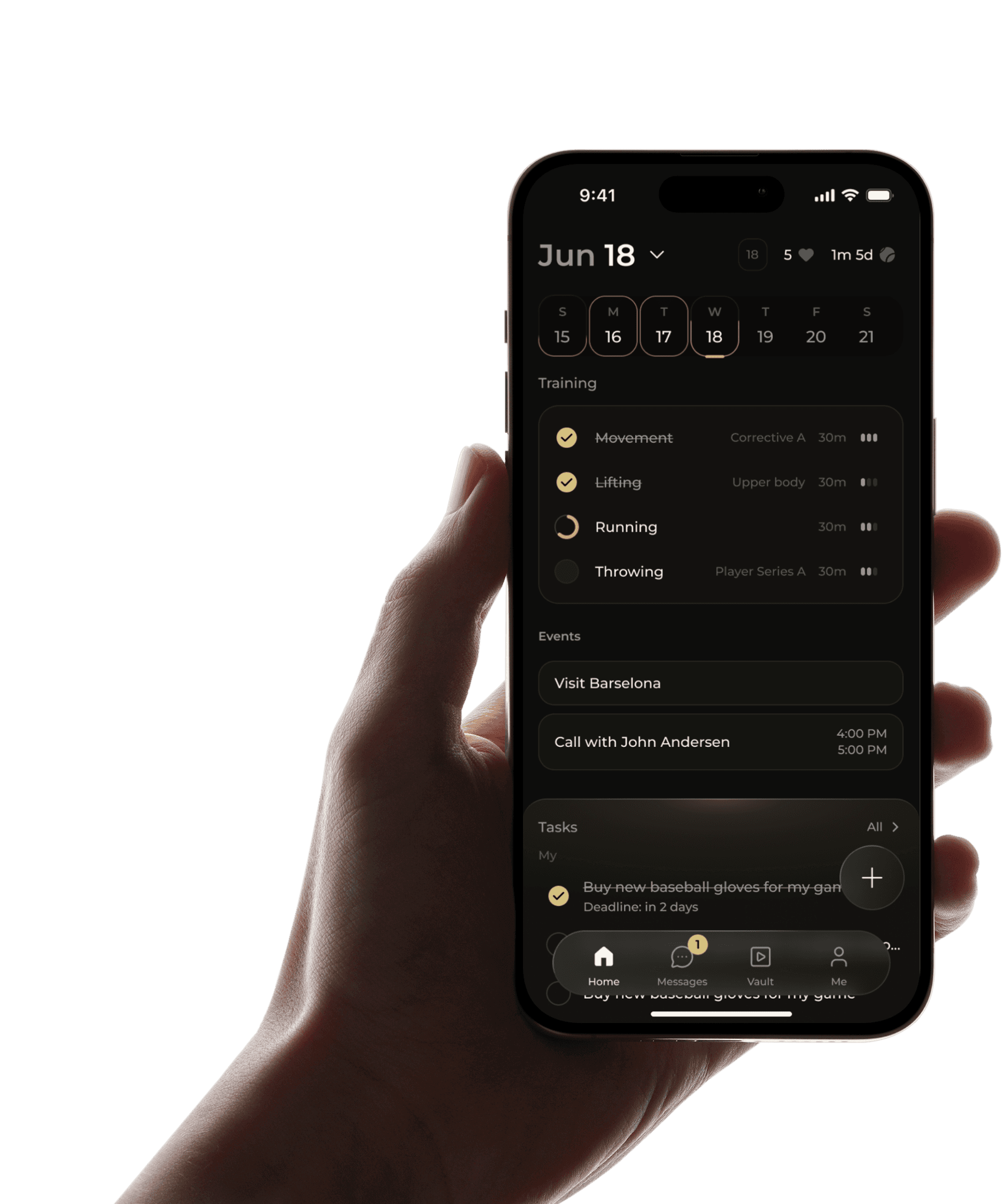
Gamification on the app’s home screen. Solution needed to be integrated into existing homepage design and adjusted if necessary before implementation.
Mission
To motivate athletes to train daily, making complex routines achievable and repetitive training engaging — ultimately increasing their chances of getting into a league.
Product goal
Increase the average DAU of active athletes from ≤0.5 to ≥1.0 within 3 months after launch, directly impacting annual subscriptions.
Audience
Athletes with DAU ≤0.5. Secondary stakeholders: parents who pay for the subscription and expect consistency and visible progress.
Success criteria
assumption-based
↑ retention (D7: 18% → 25%)
↑ daily usage (0.5 → 1.2 sessions/day)
↓ churn (–10%)
↑ annual subscriptions (+10%)
If the results are lower than expected, we will not disable the feature but continue iterating and improving its functionality.
Benchmarking
There are existing studies from large companies showing how gamification improves key metrics. However, direct competitors do not currently offer similar functionality. You can review the results via link.
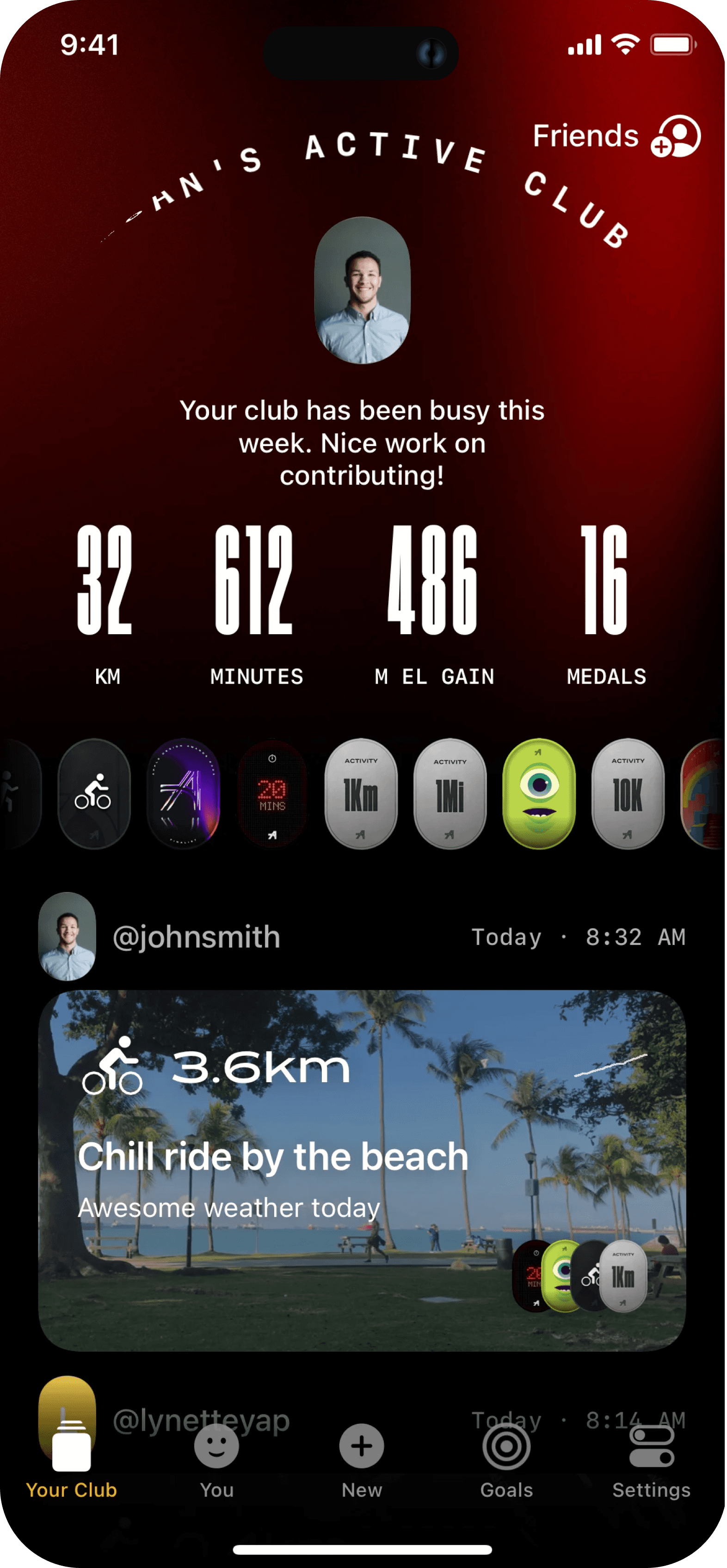
Any Distance. Scores, list of achievements
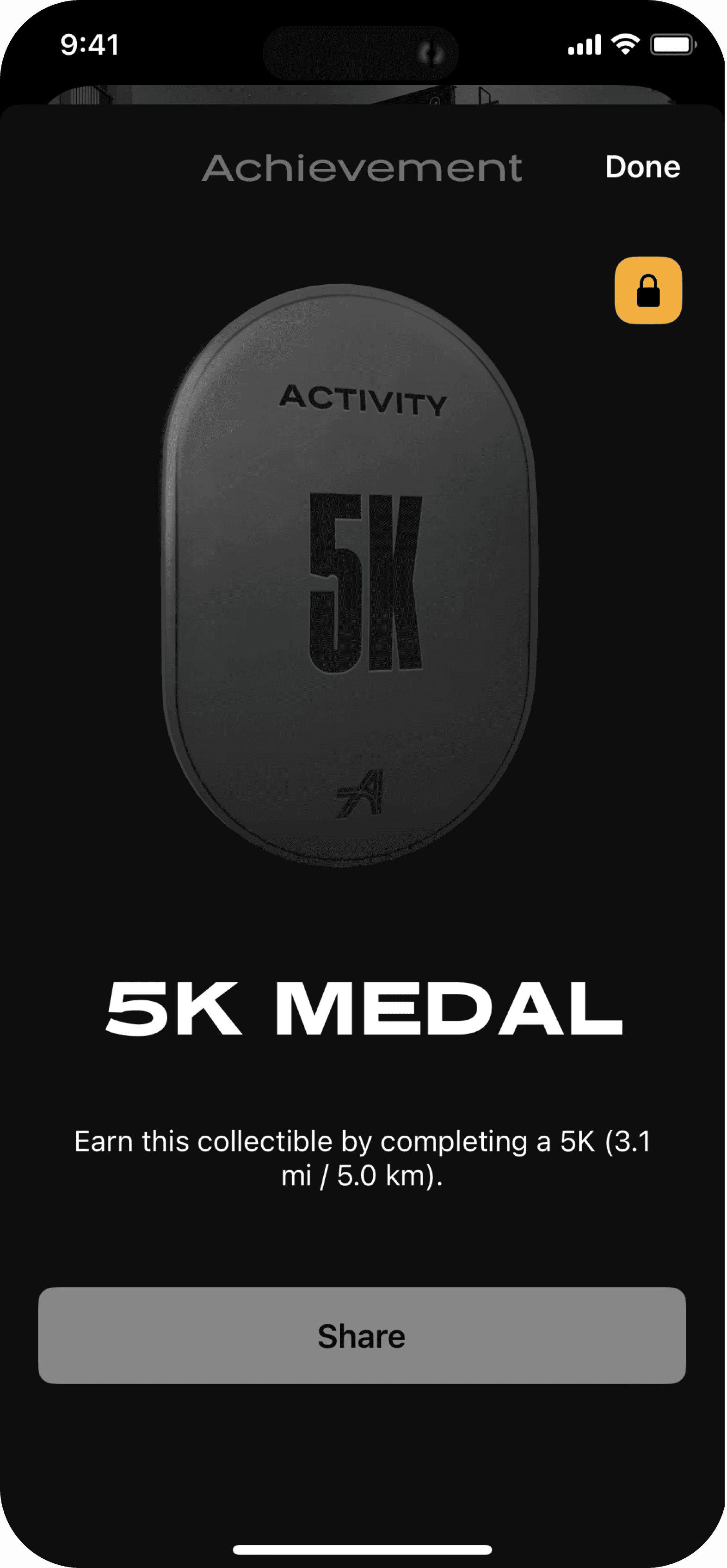
Any Distance. Achievement

Duolingo. Achievement
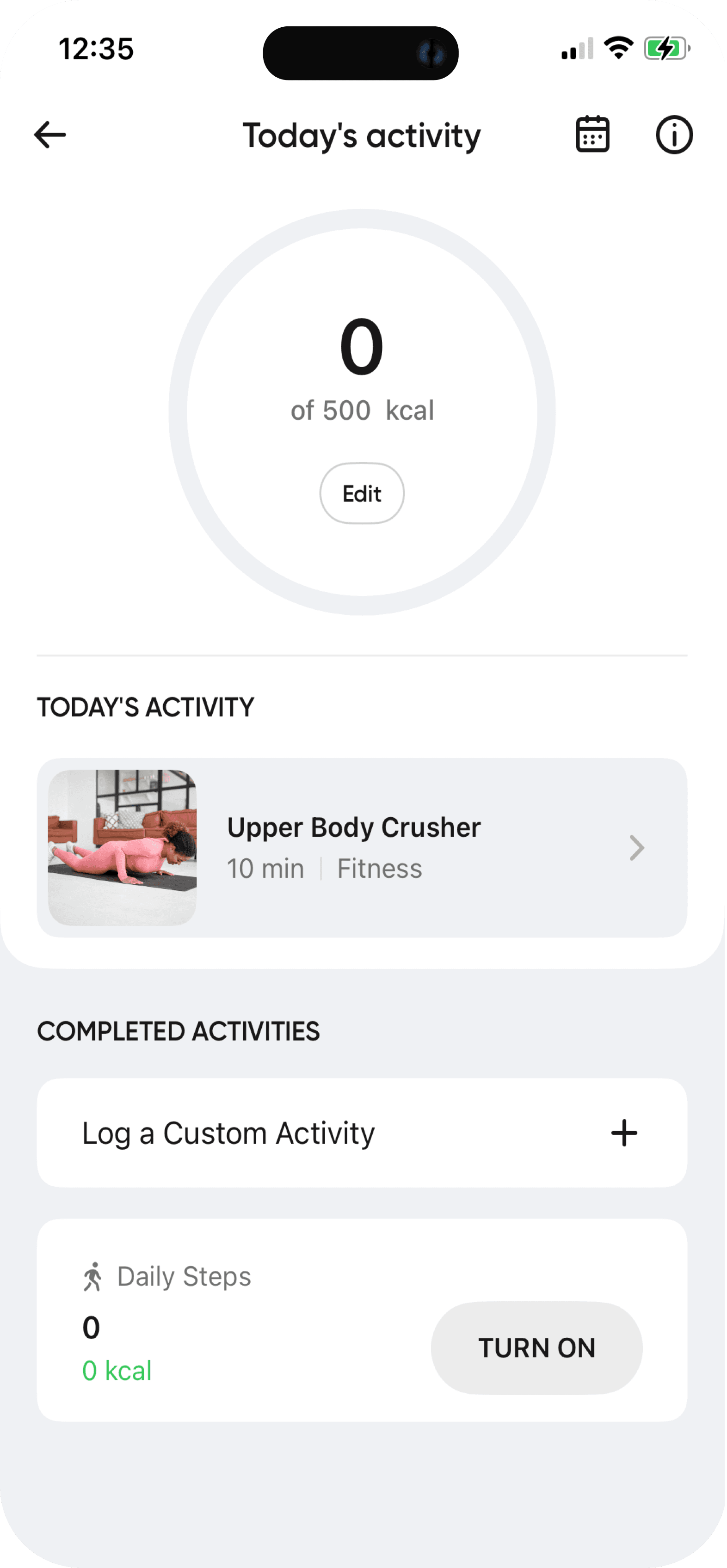
BetterMe. Progress
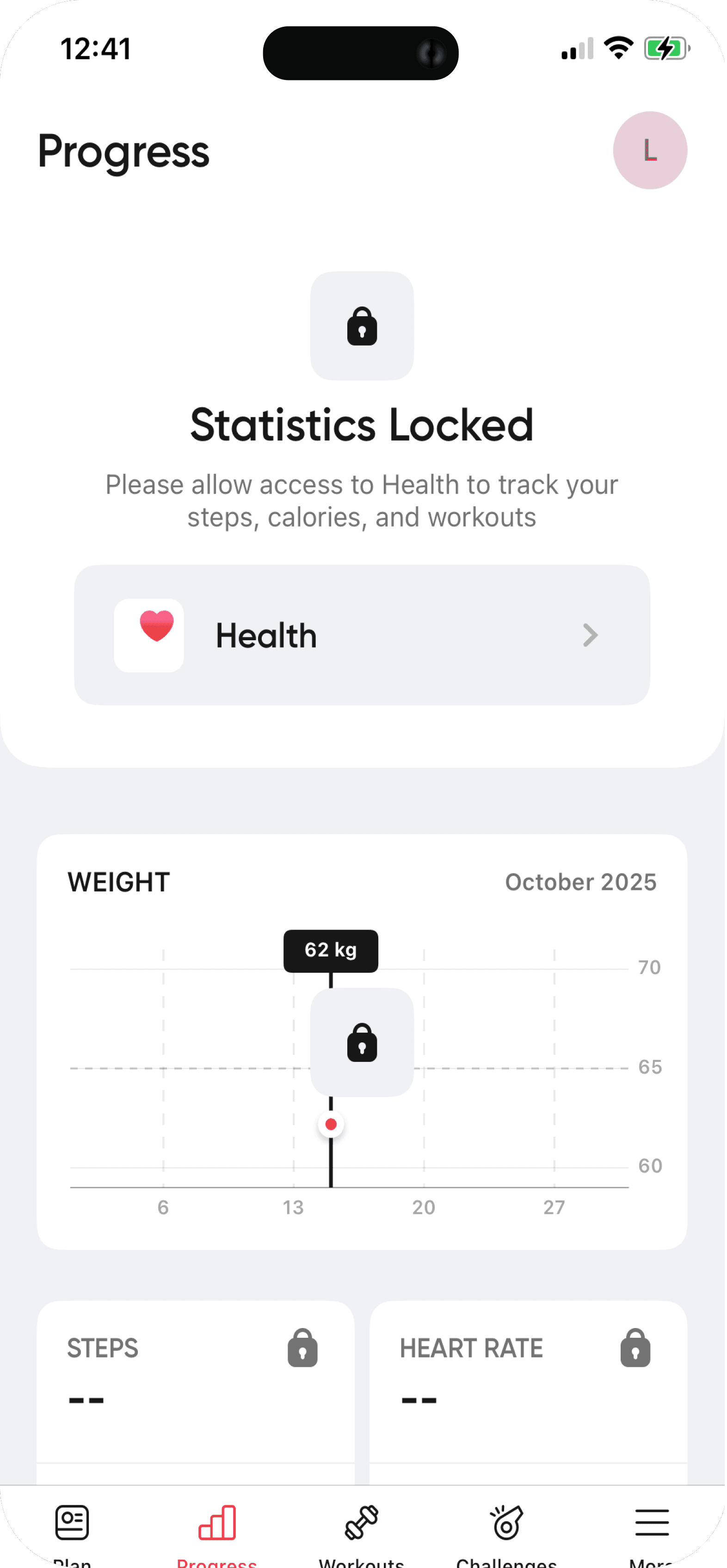
BetterMe. Statistics
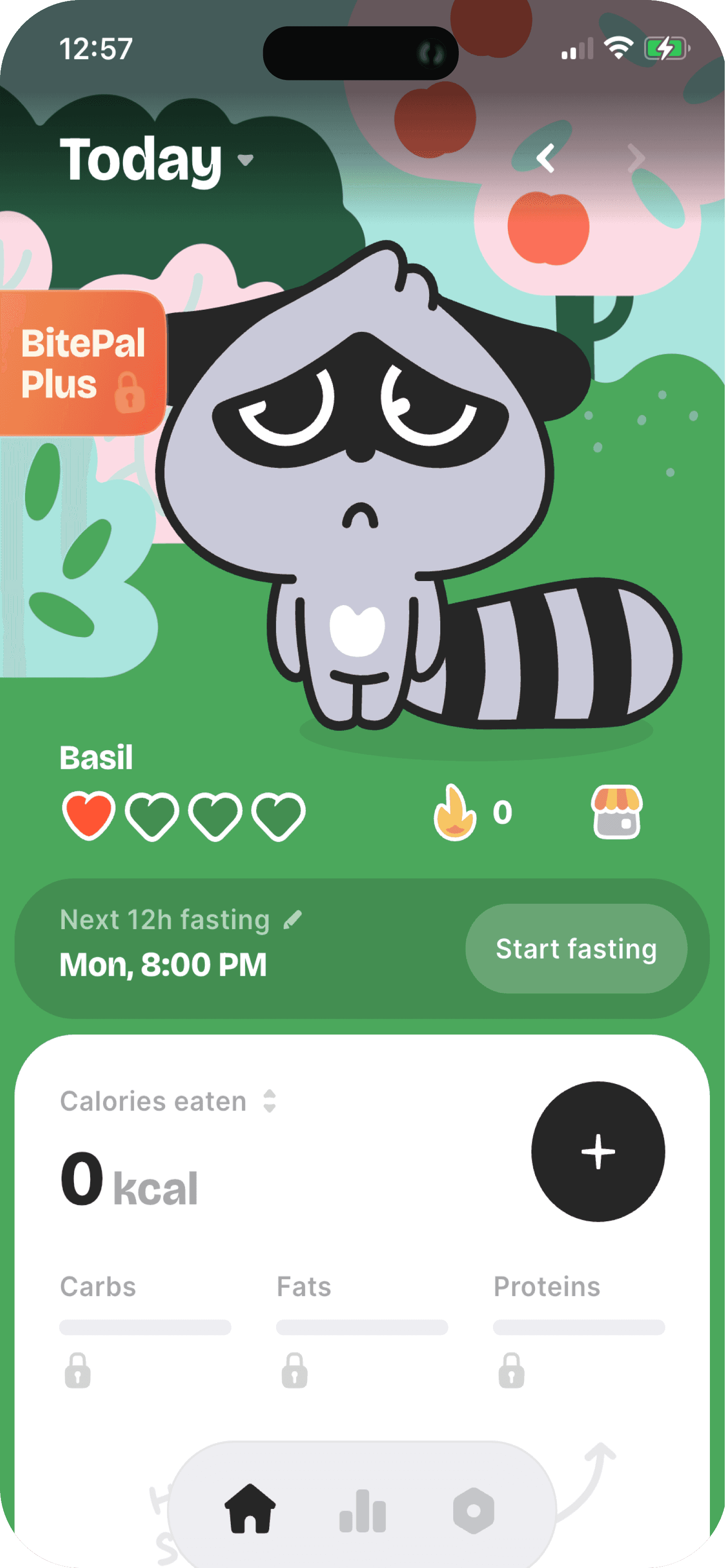
Bitepal. Lives mechanic, streaks, progress
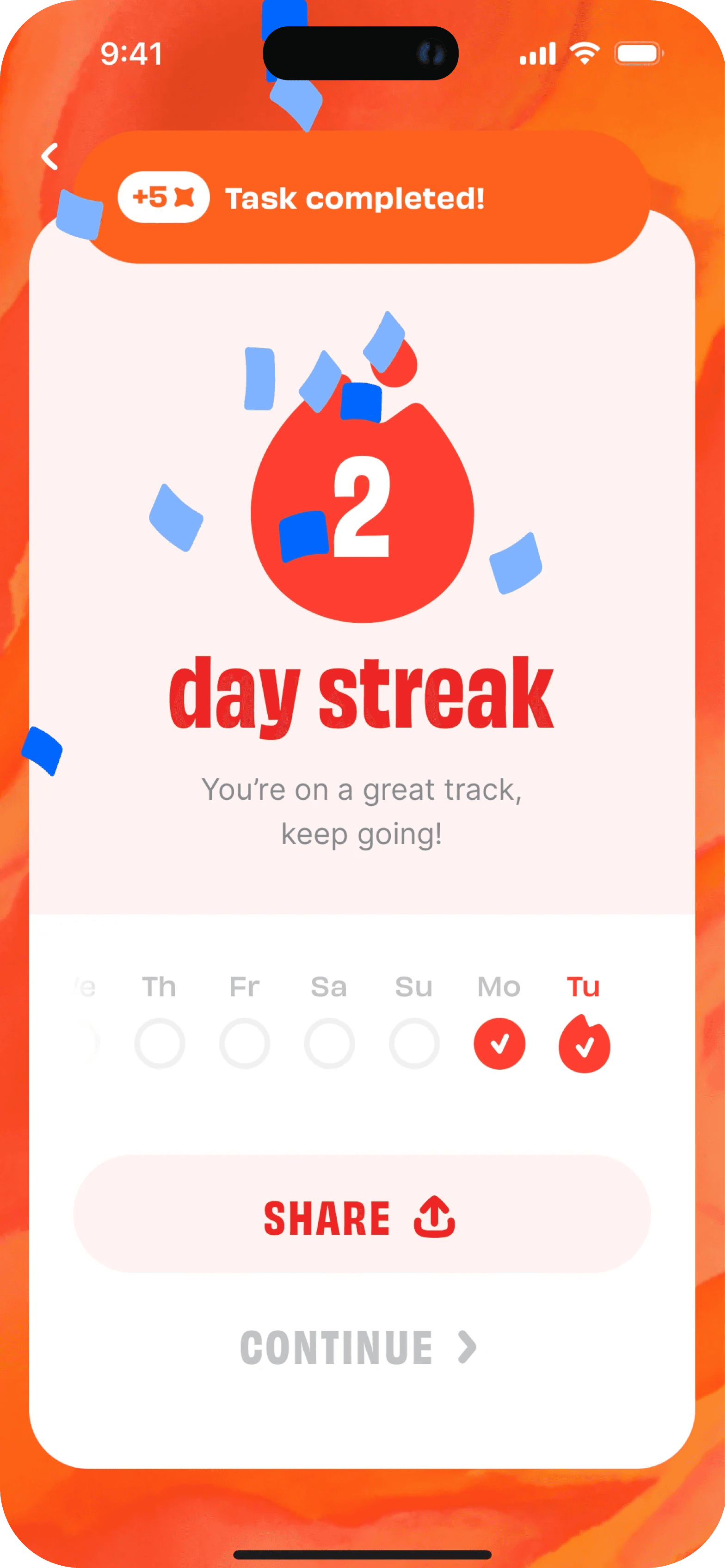
ADHD Numo. Streaks
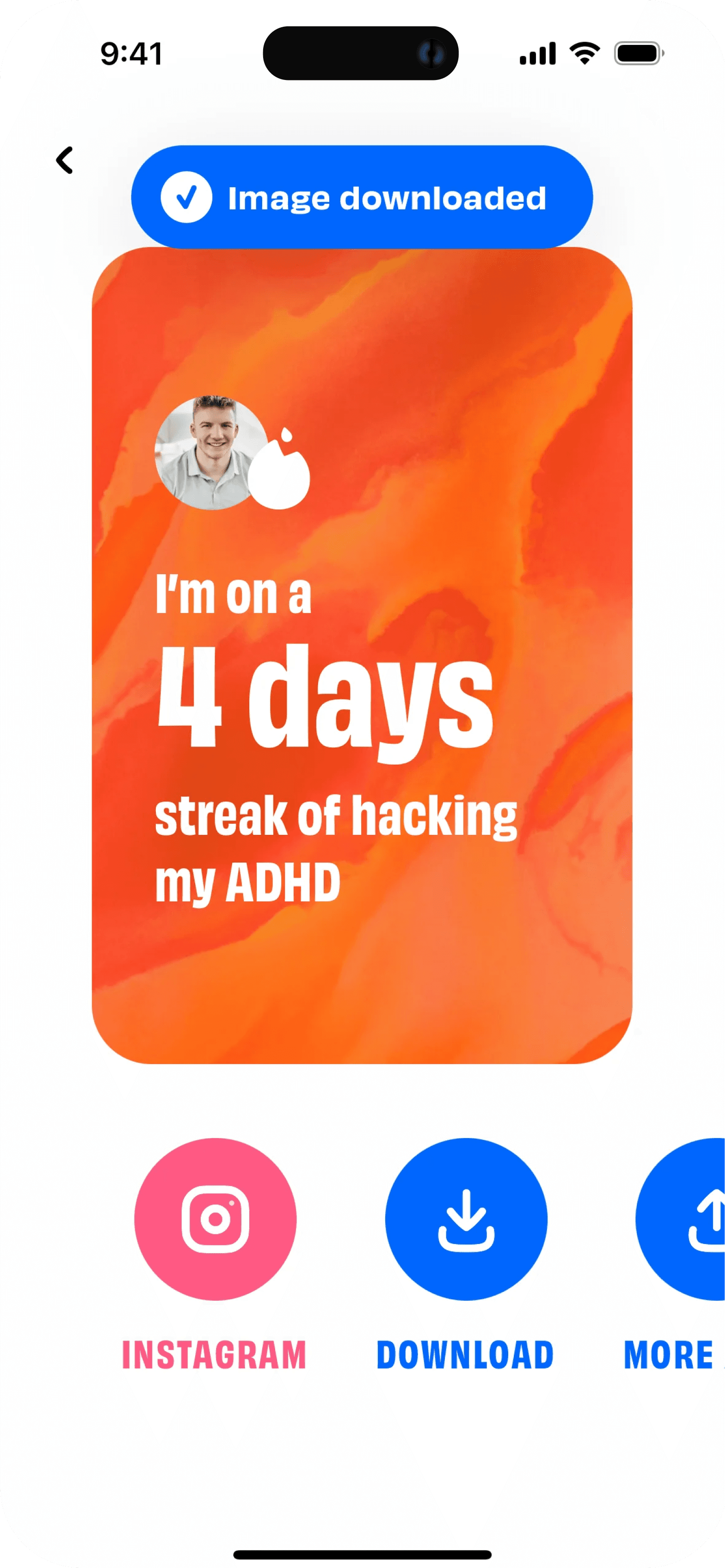
ADHD Numo. Streak sharing
Audience
3000 school, college, and professional athletes aged 14–20.
The primary markets are the US and Korea.
Their goal is to increase pitching speed to 100 mph in order to enter a league.
Research
I analyzed existing gamification mechanics and selected those most relevant to the product’s context. Using the Octalysis framework, I identified the most suitable mechanics. For prioritization, I used the IE framework, evaluating the impact and effort of each hypothesis.
Gamification mechanics
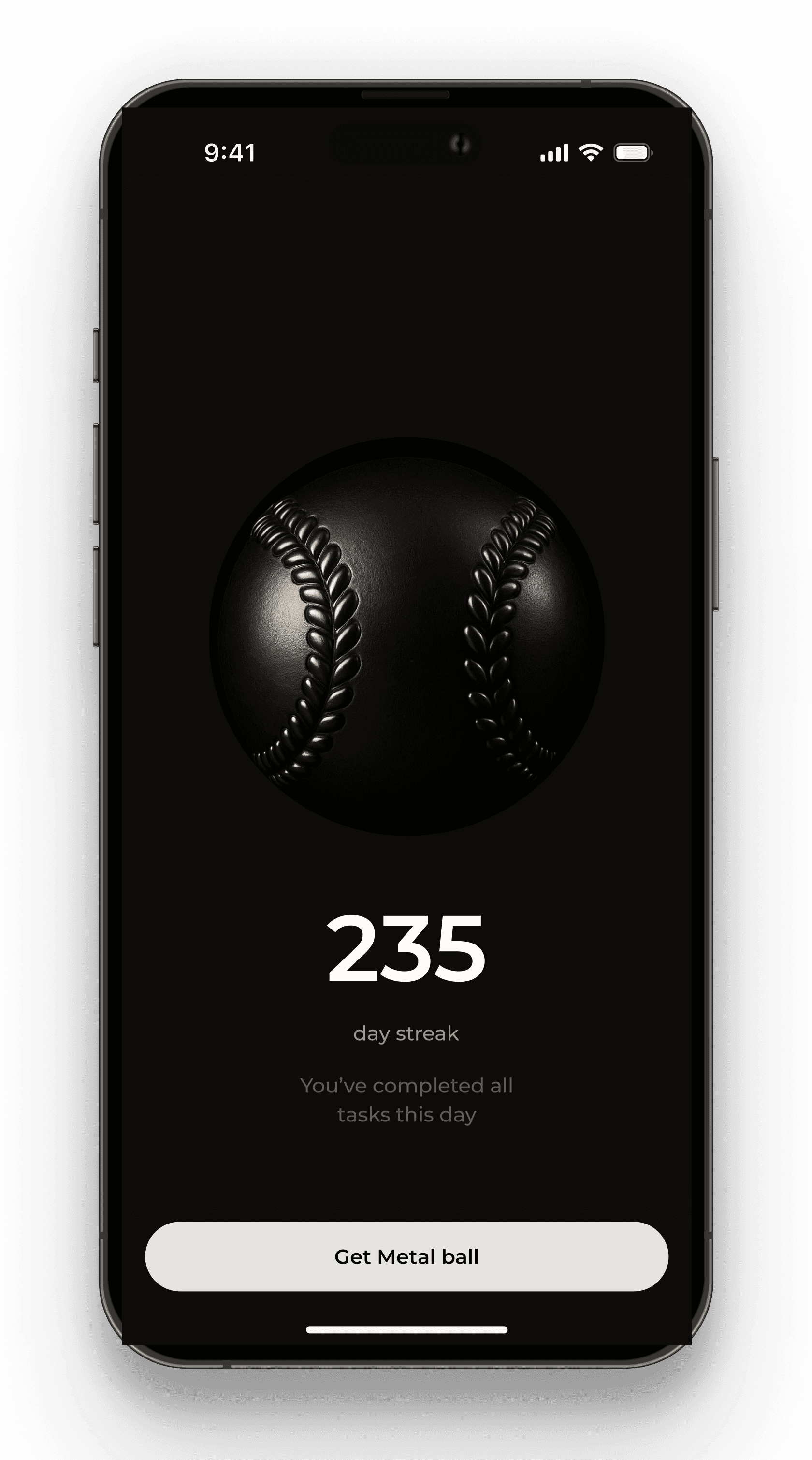
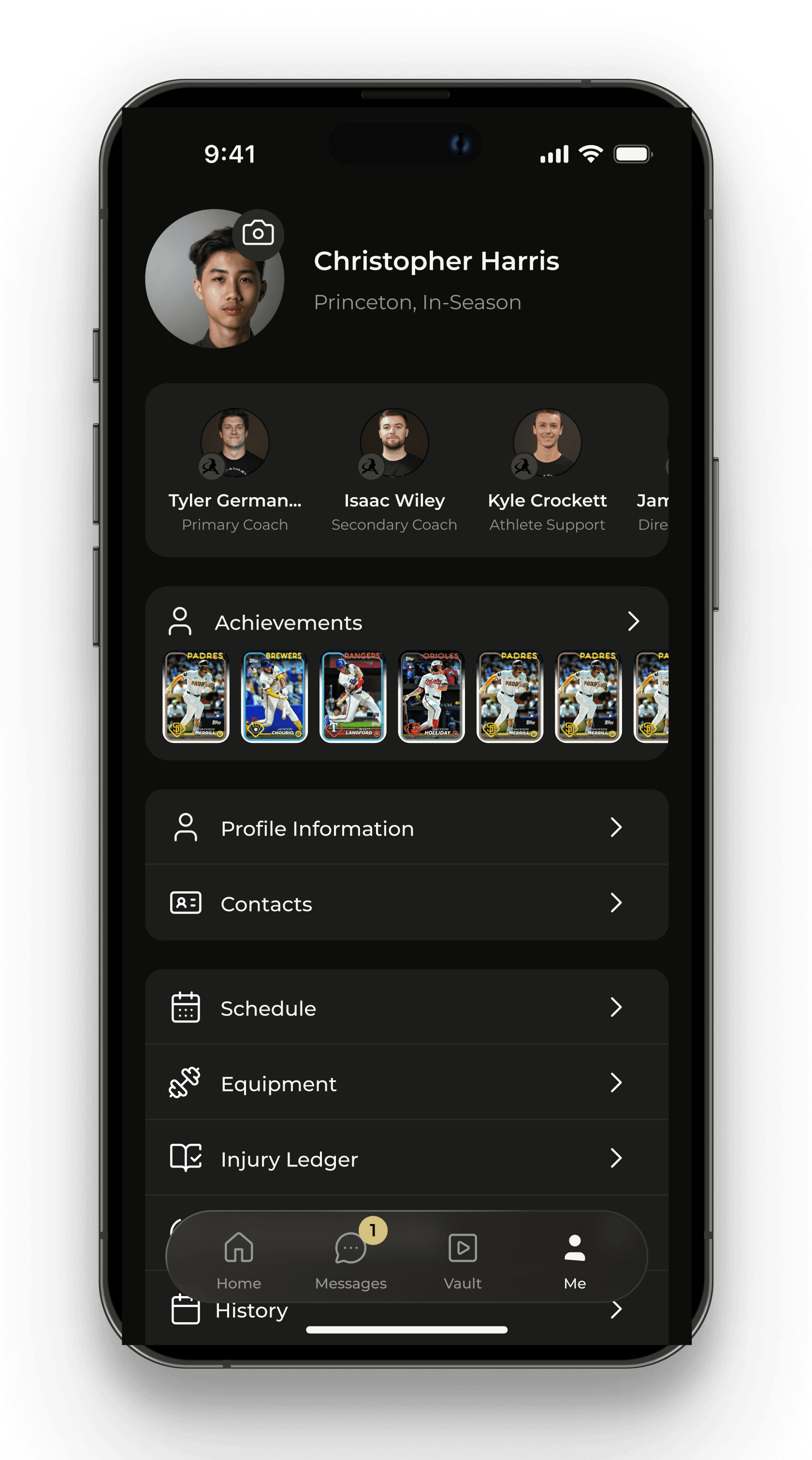
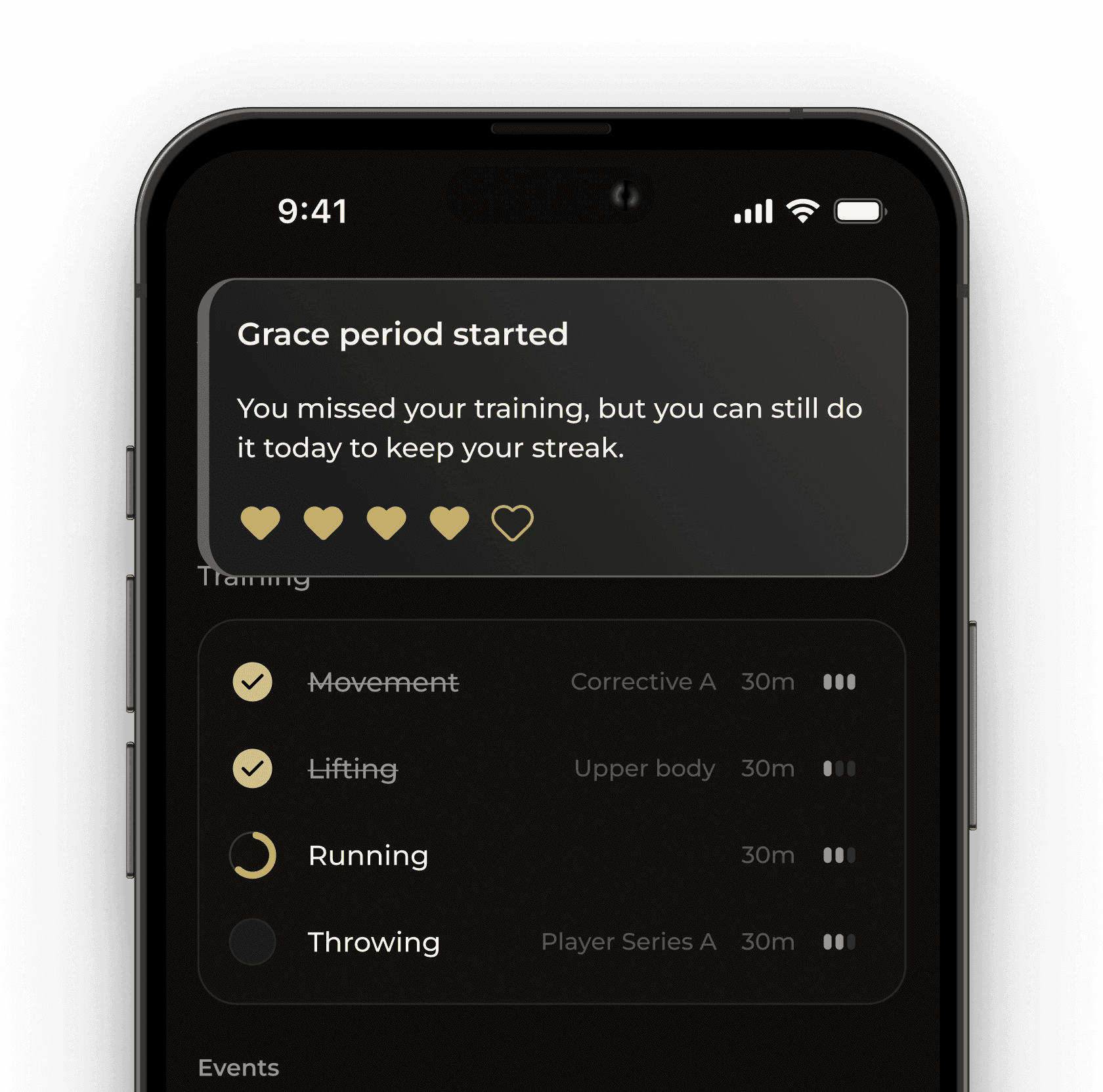
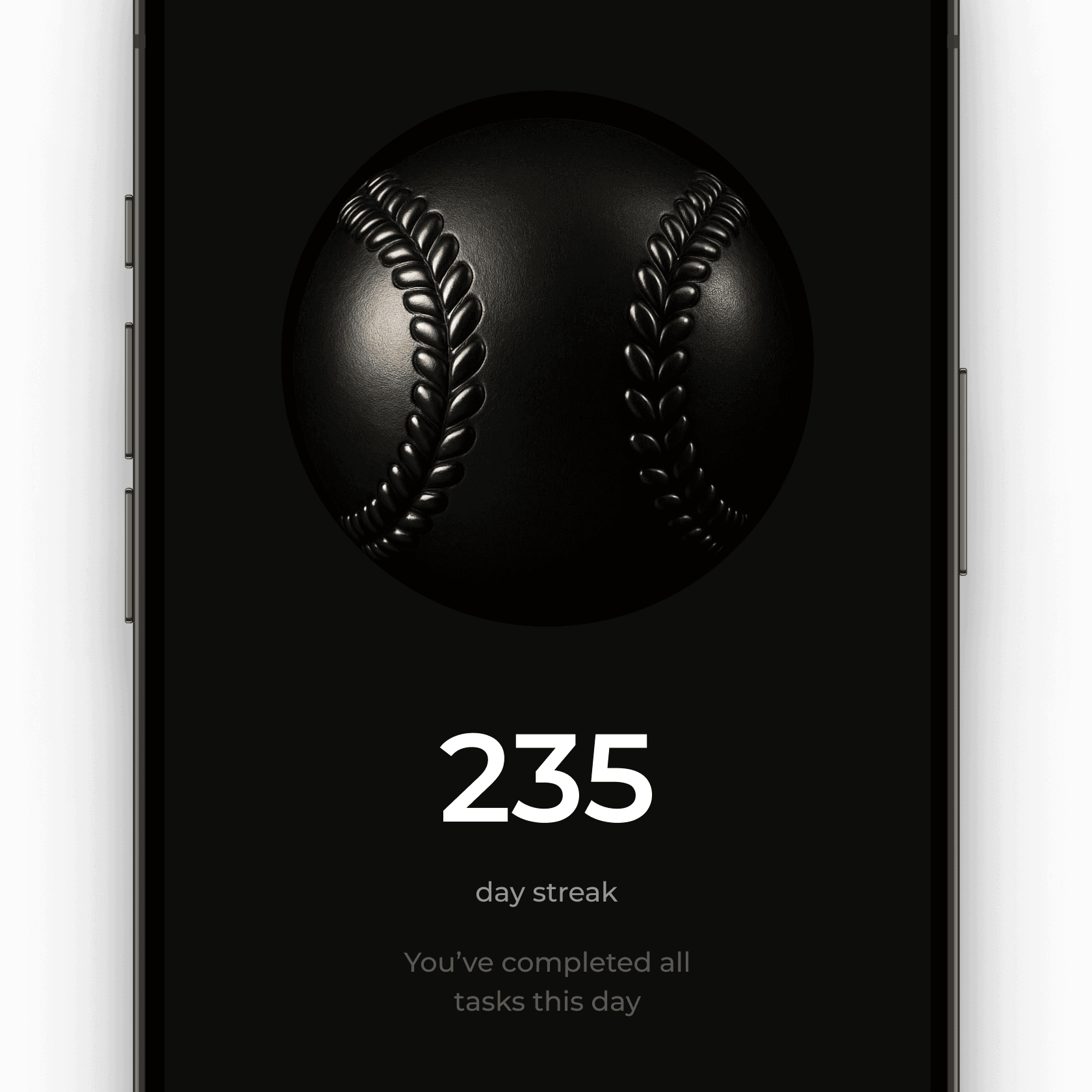
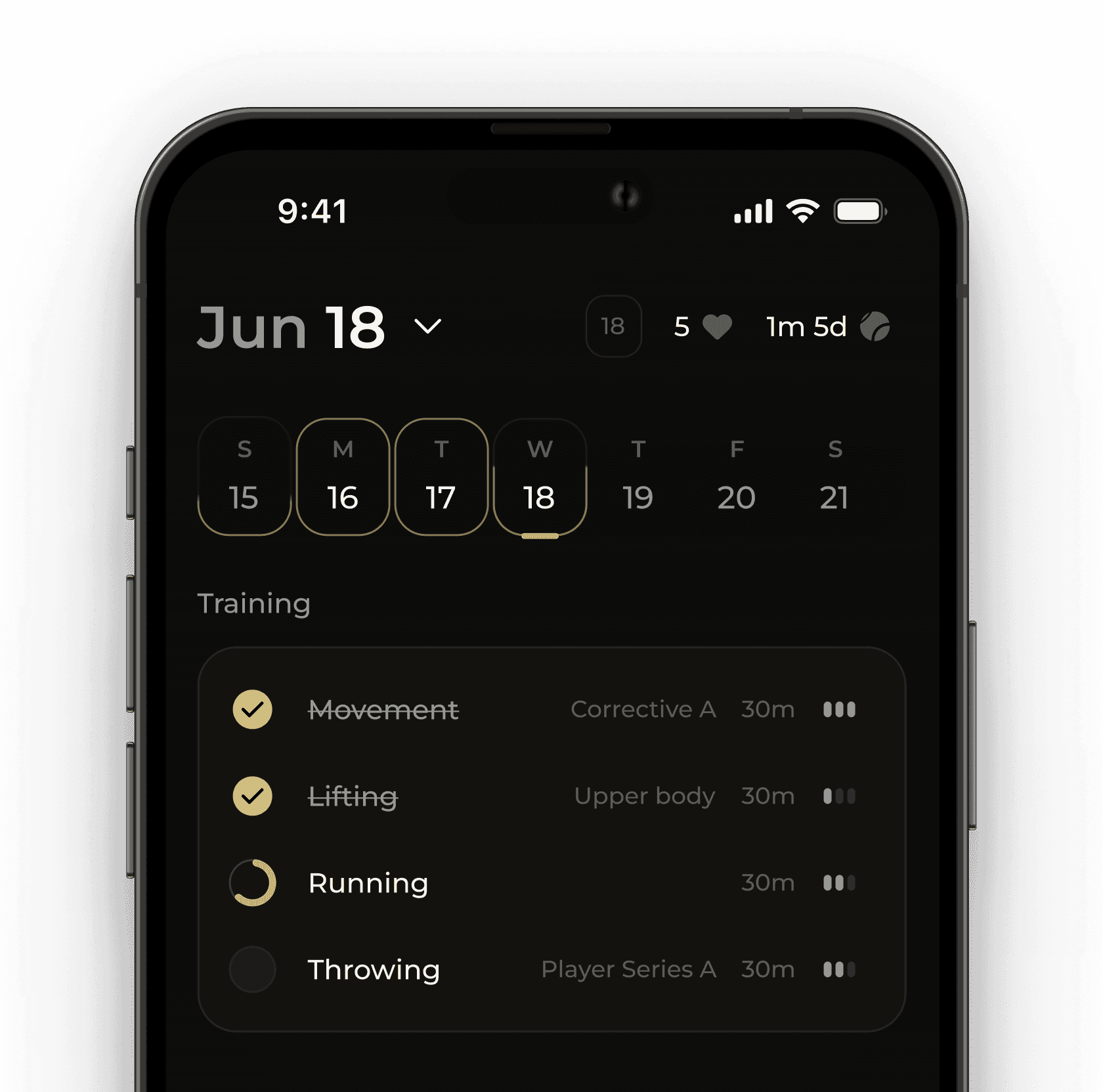
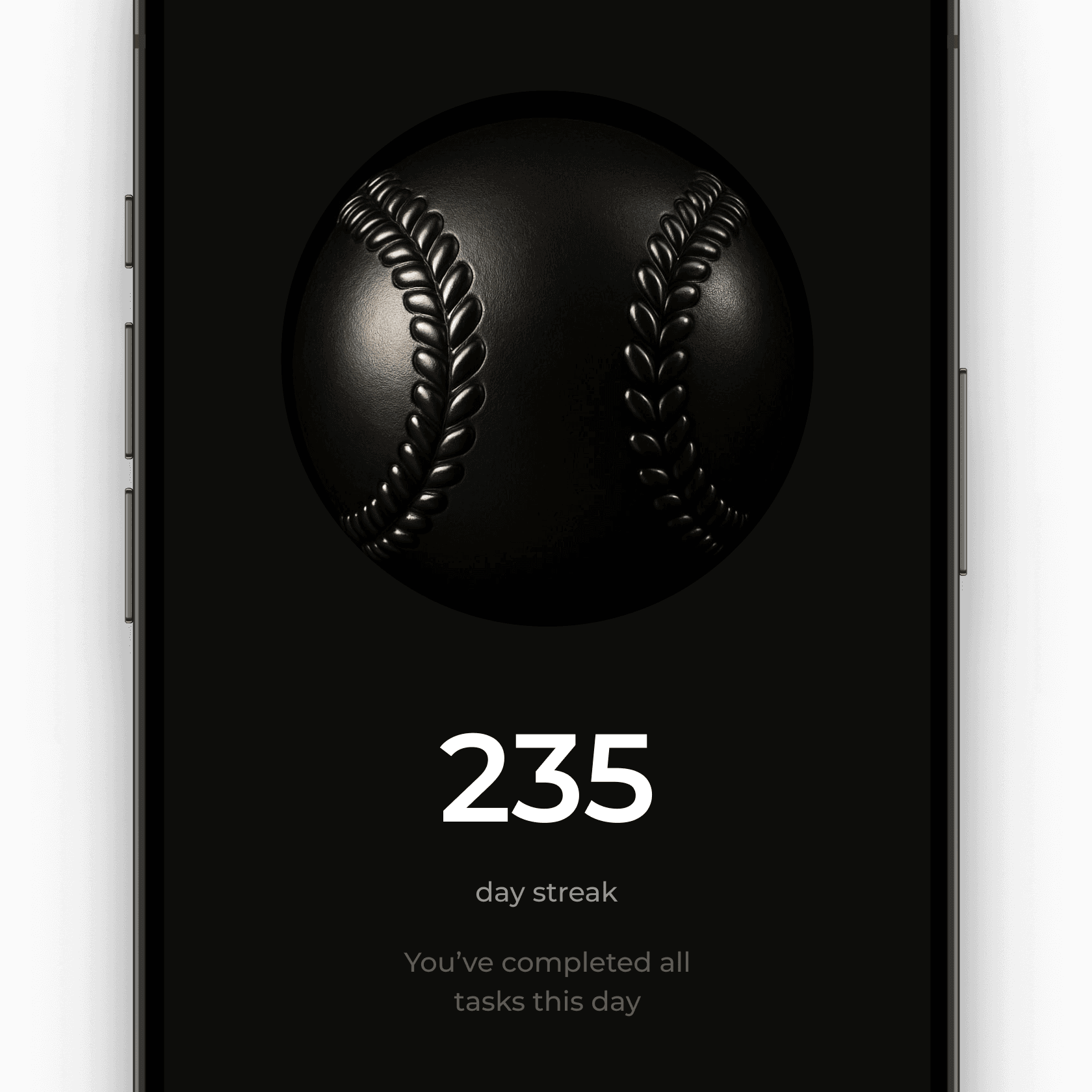
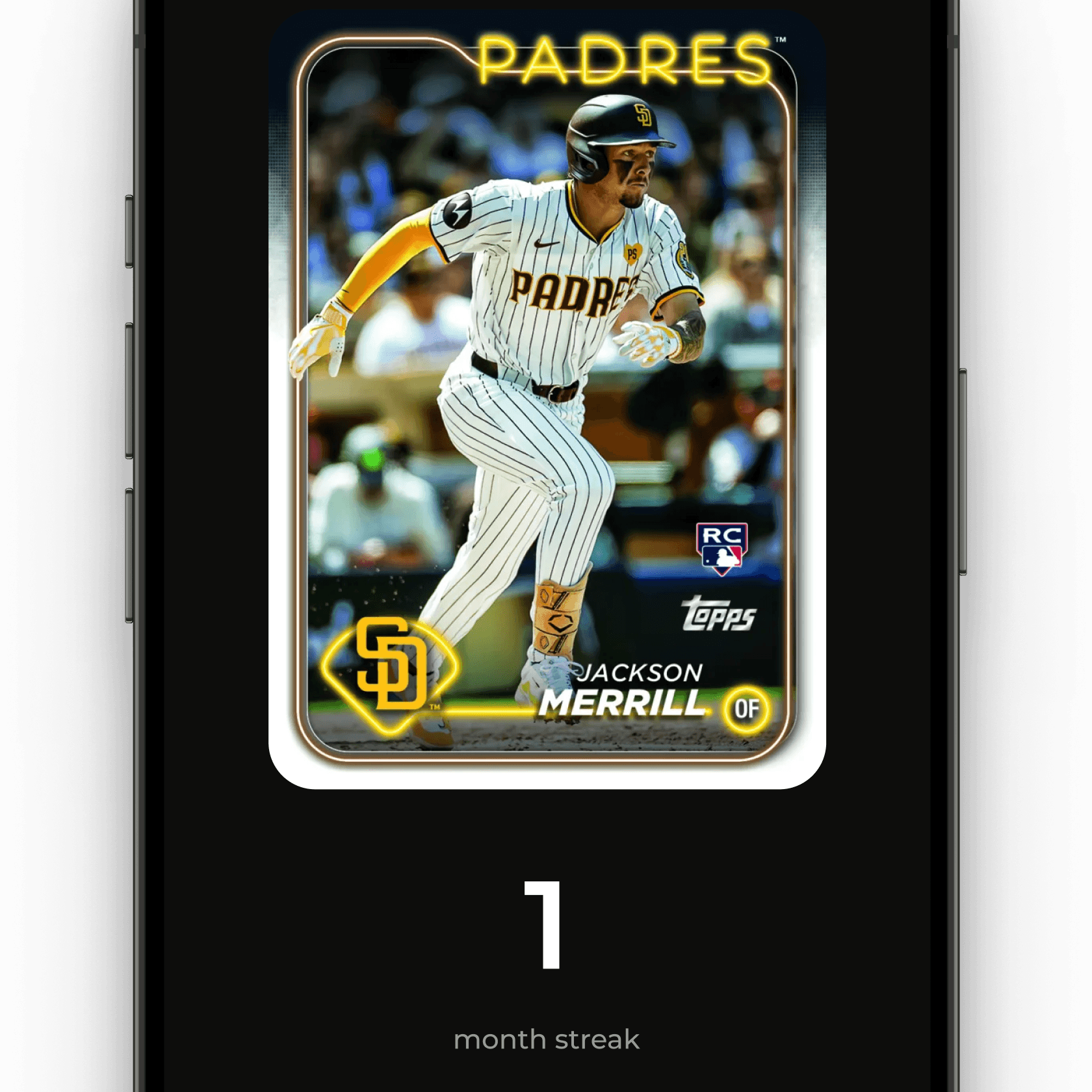
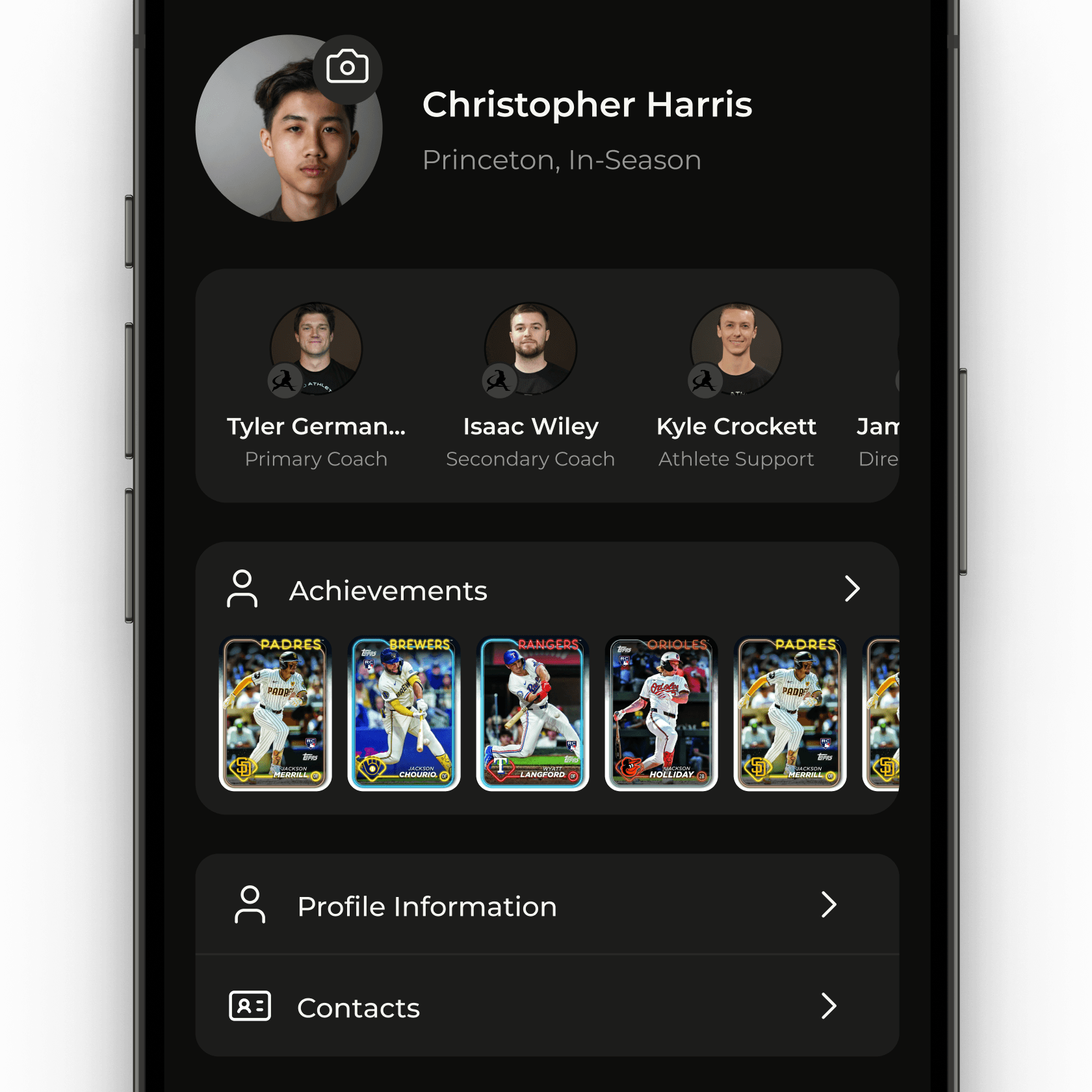
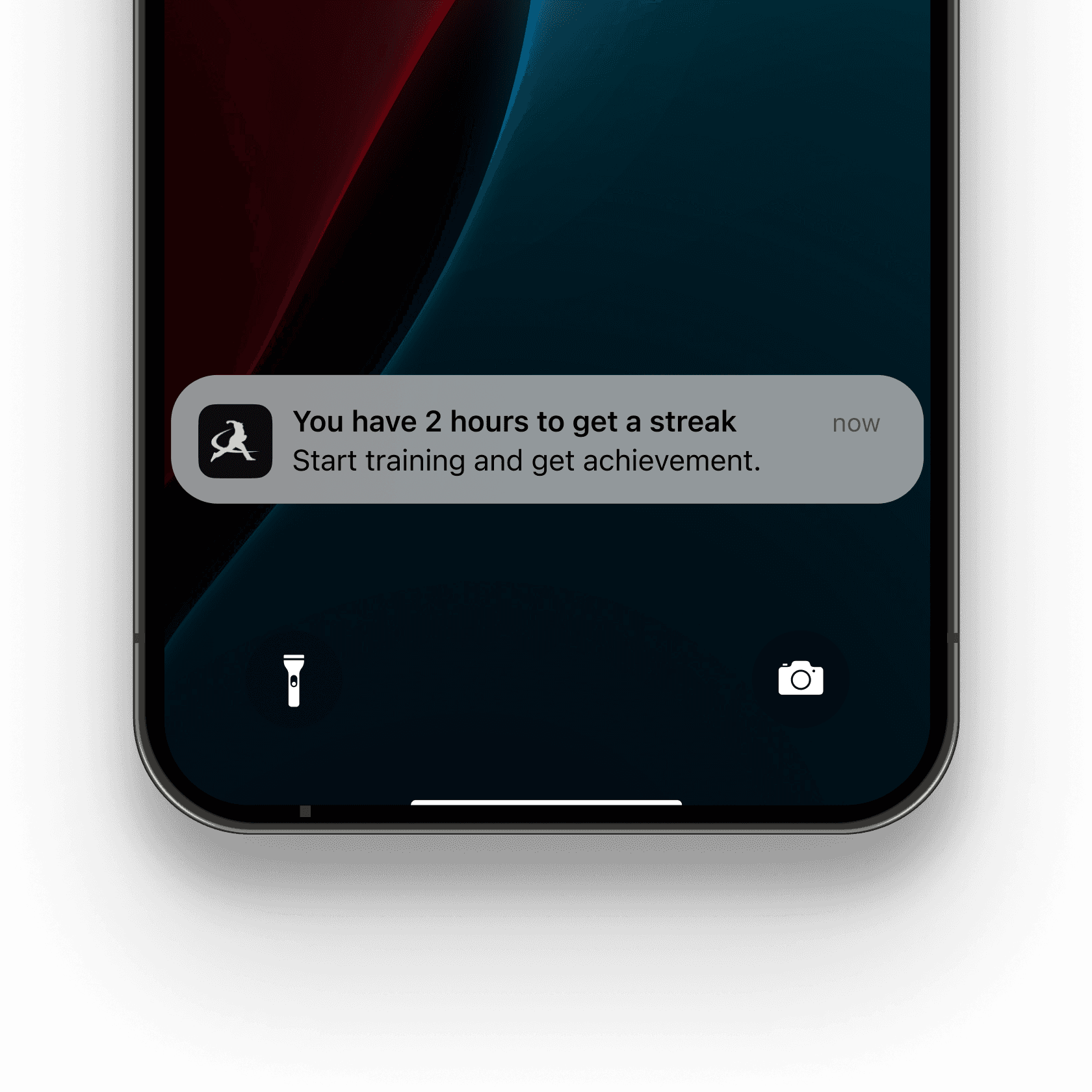
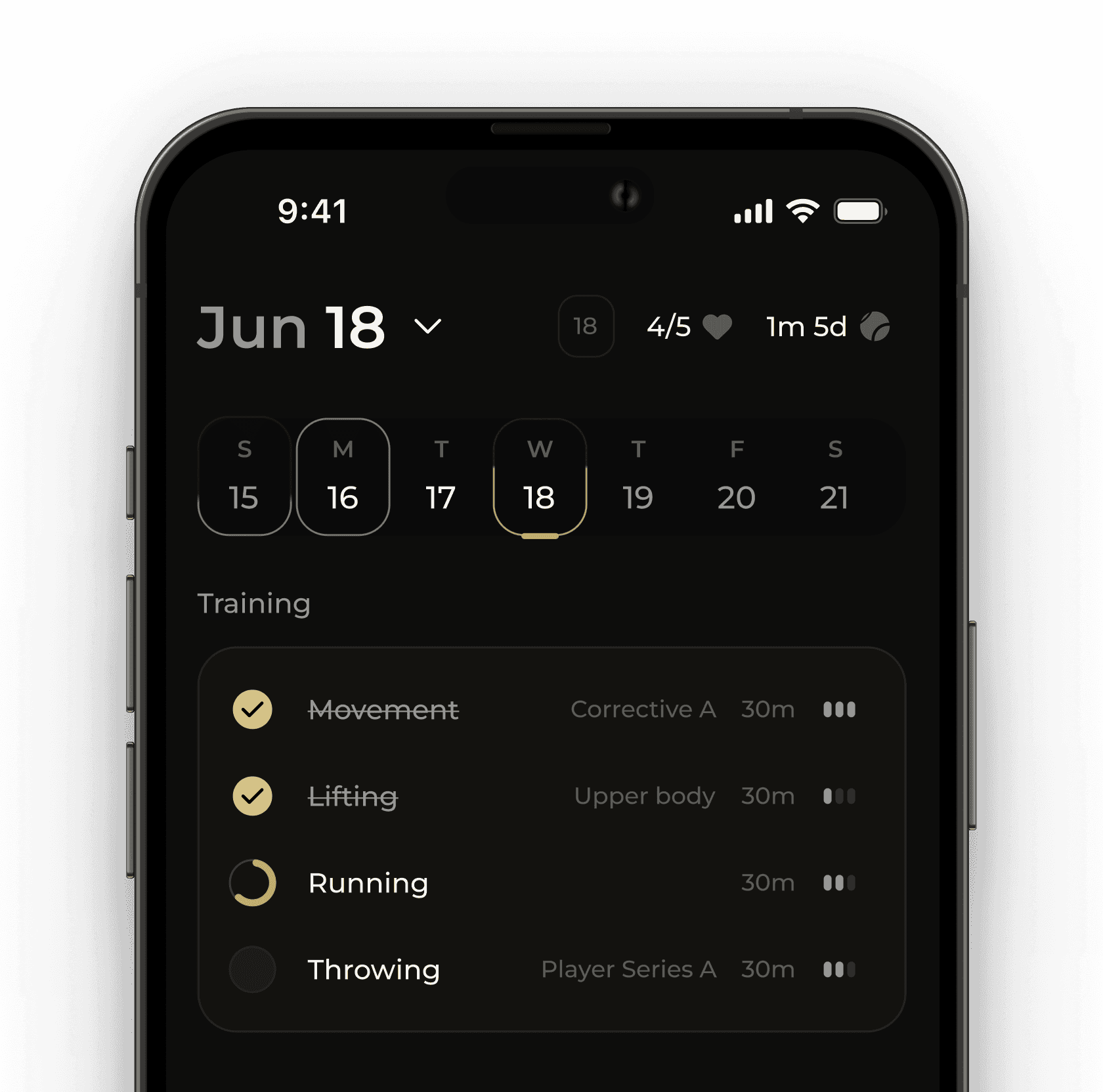
Streak and achievements
If we introduce a daily training streak, athletes will return to the app more frequently, as the fear of losing progress helps build a consistent training habit.
Metrics
DAU
Daily Retention, Retention D30
NPS
Impact: 9
Effort: 4
Priority: 2.25

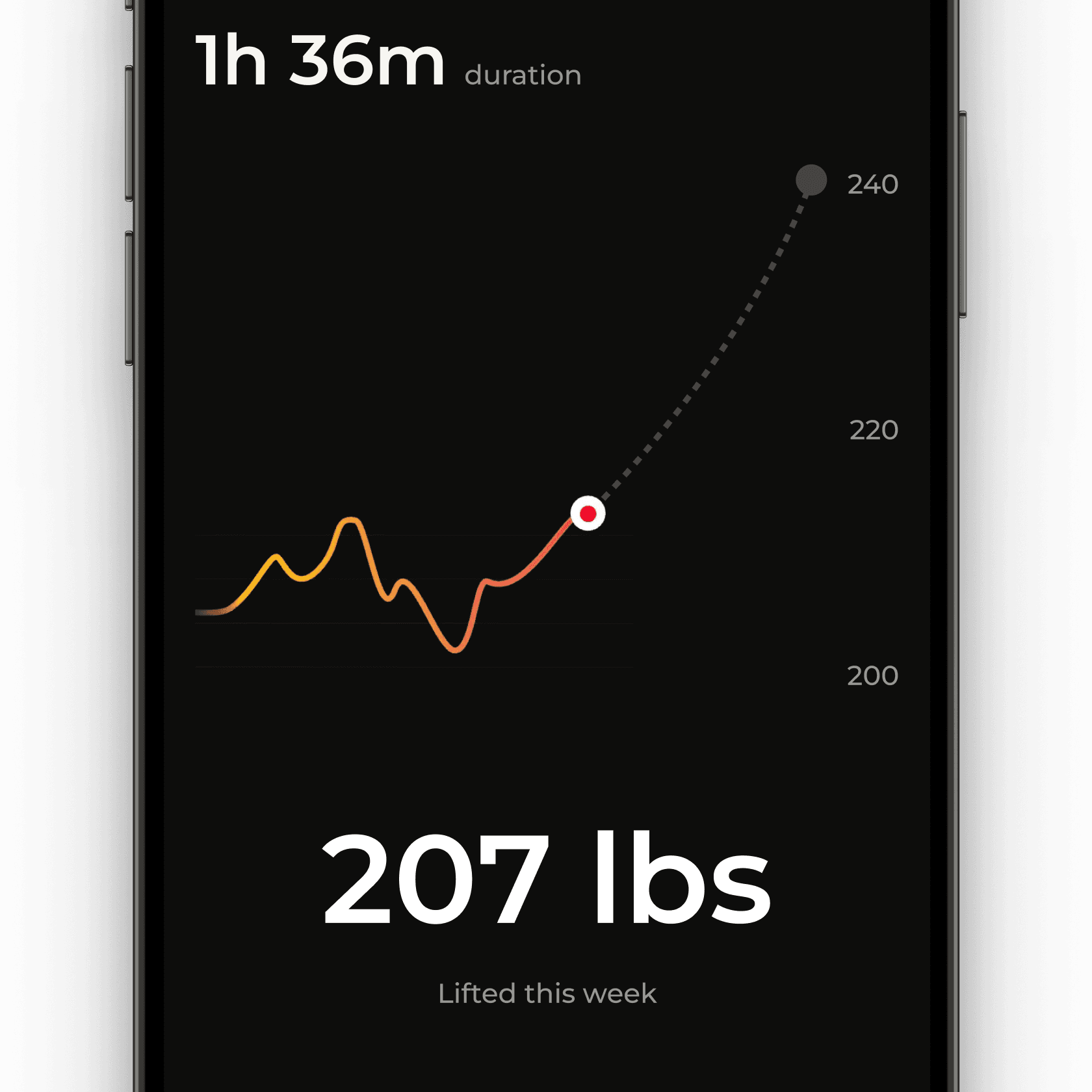
Progress bar
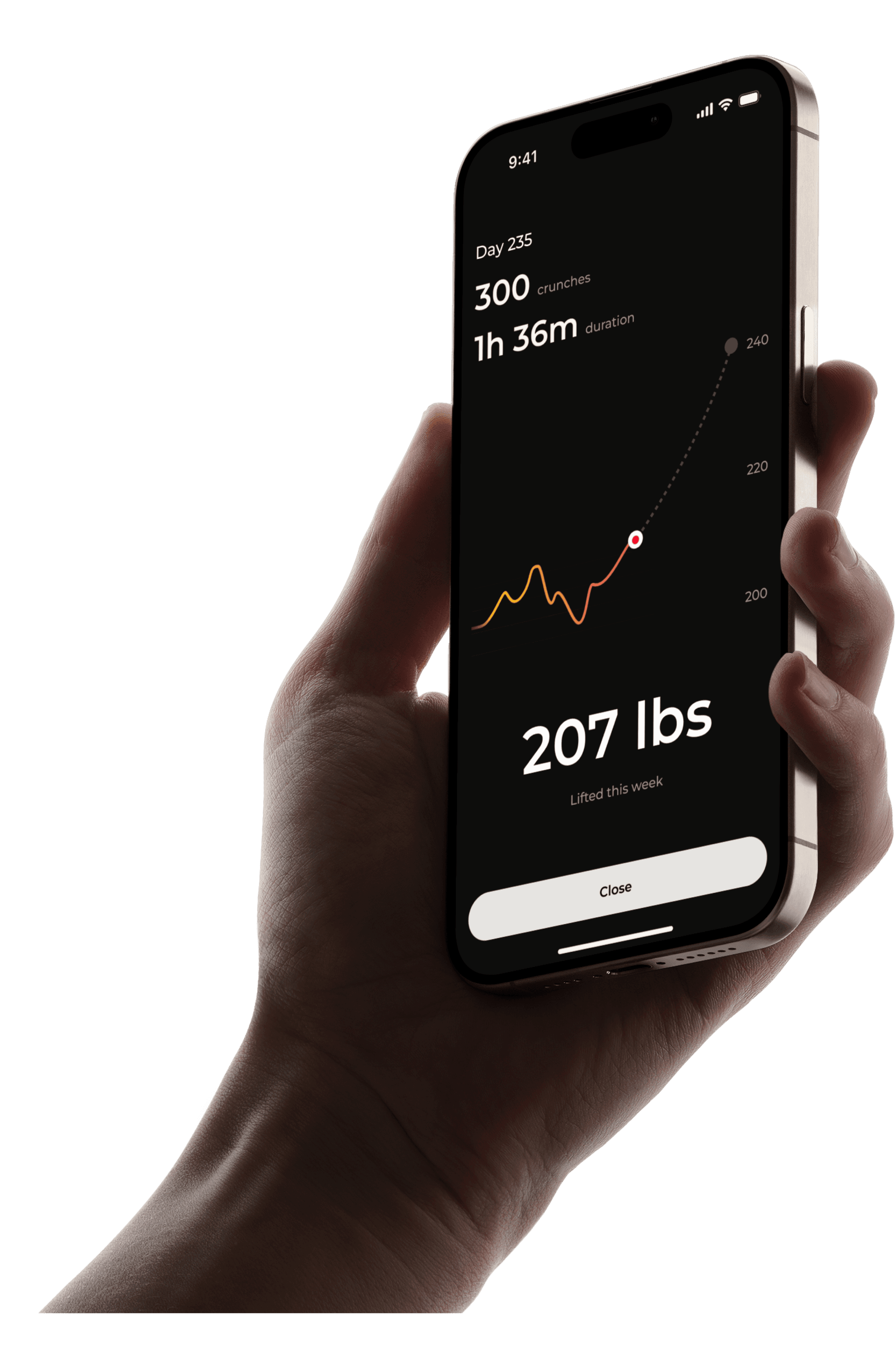
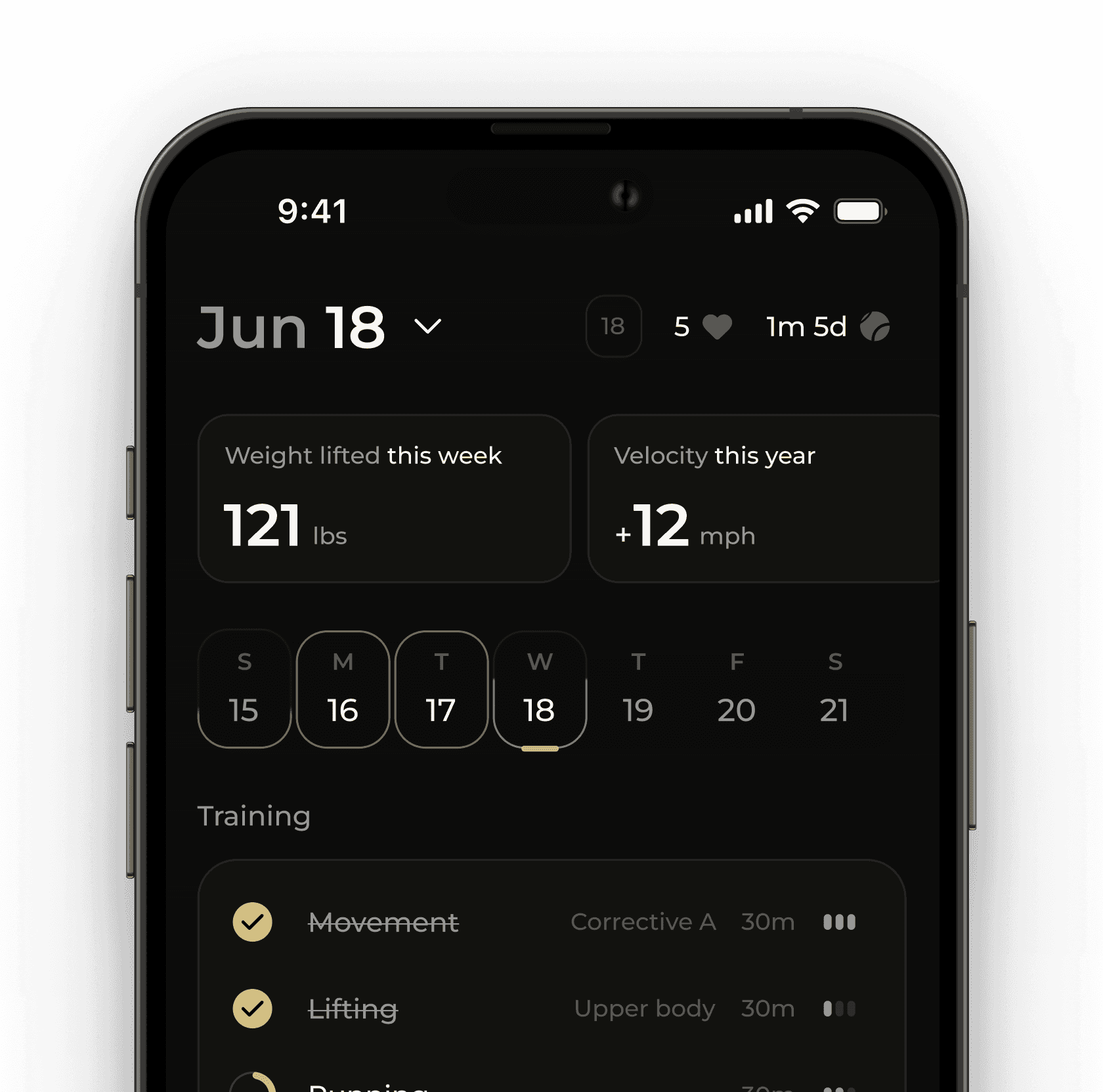
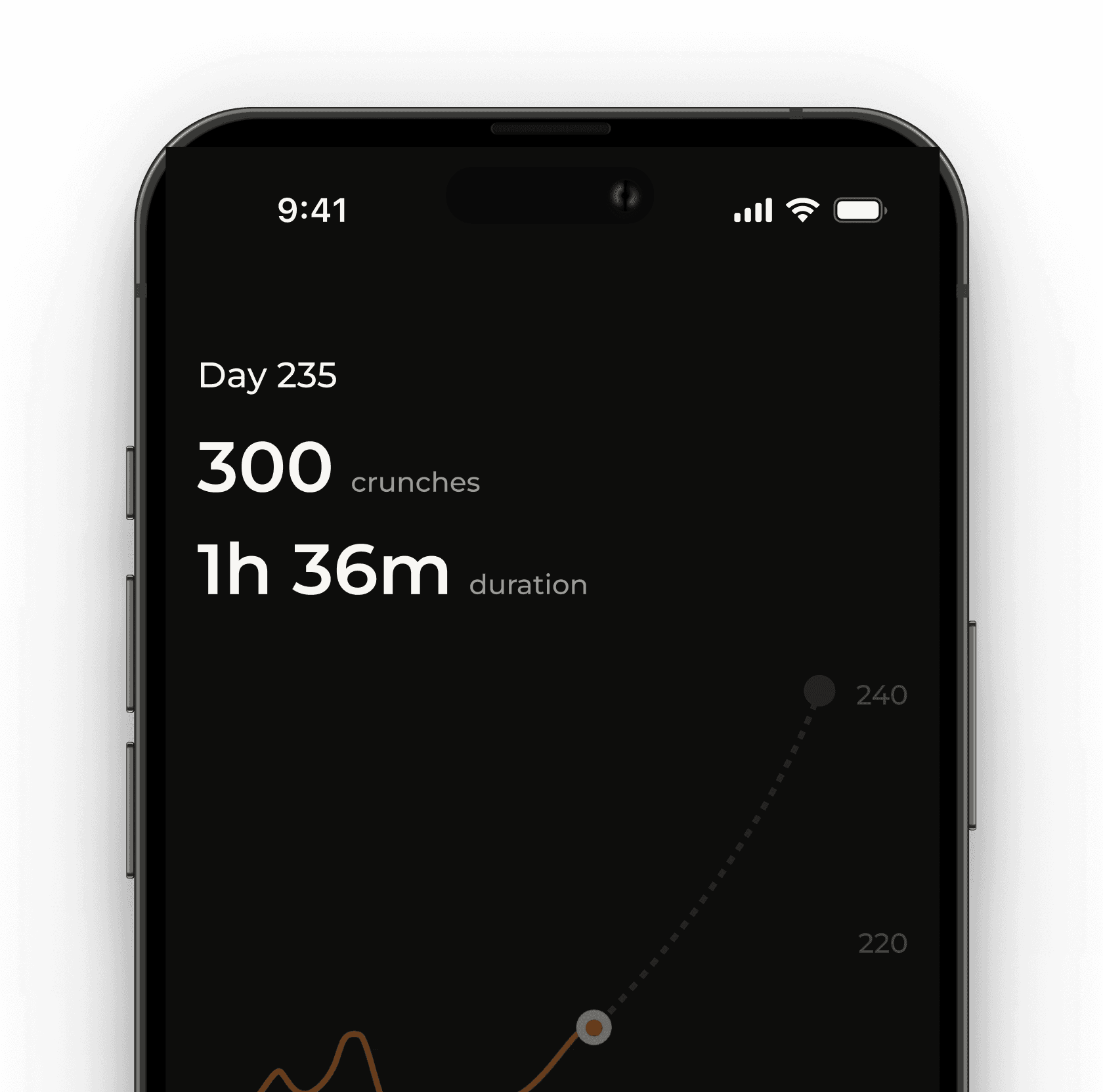
If we show athletes clear and measurable progress, their sense of control and growth awareness will increase, leading to more consistent app usage.
Metrics
Session frequency
Retention D7 / D30
Feature engagement rate
Impact: 8
Effort: 3
Priority: 2.67

Progress loss
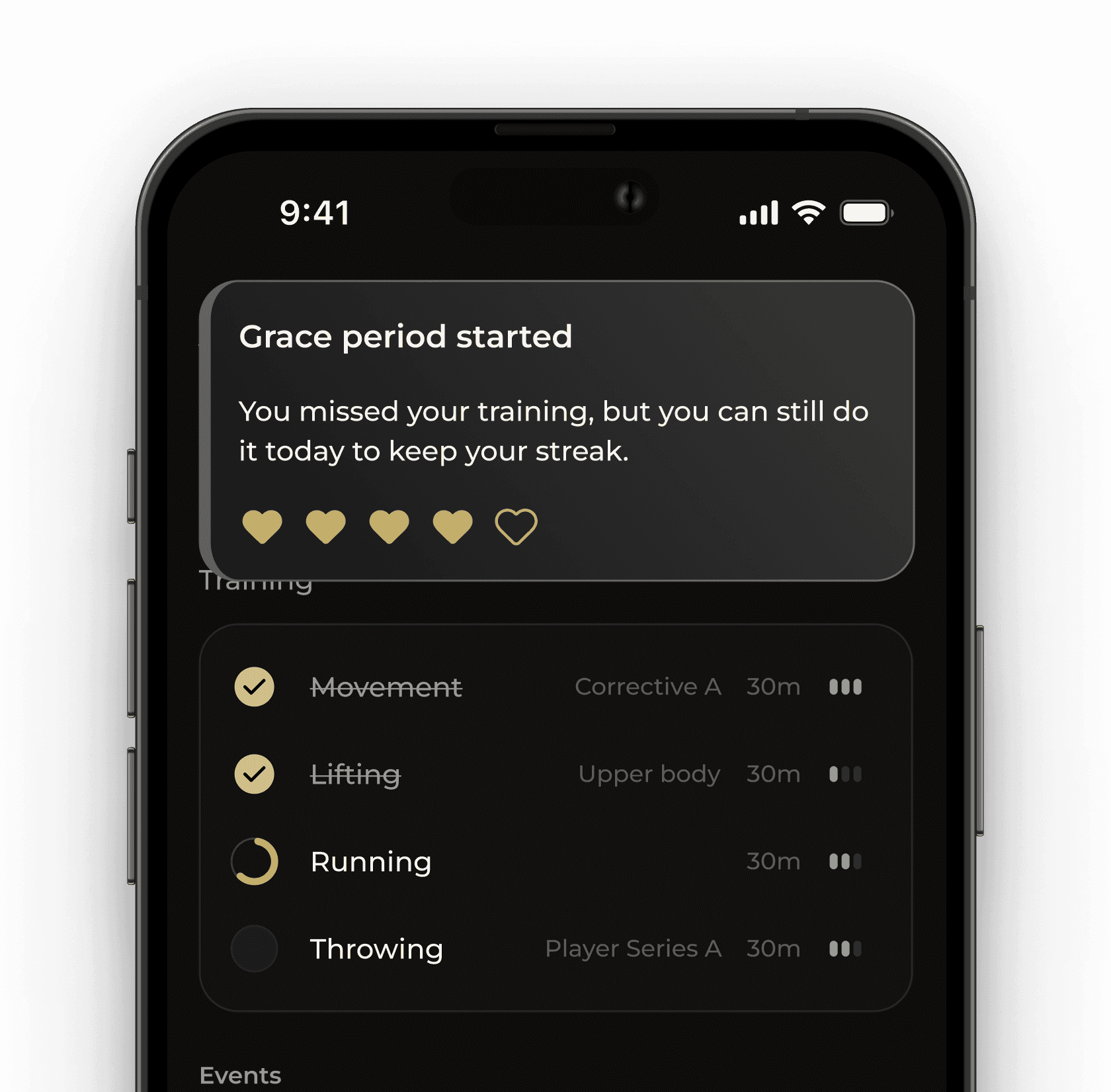
If athletes see a risk of losing part of their progress, they will return more often to avoid regression, positively impacting retention.
Progress loss is implemented in a soft form (degradation, not a reset), without complete loss of achievements.
Metrics
Reactivation rate
Retention
Churn rate
Impact: 7
Effort: 4
Priority: 1.75

Nice to have
Phase 2, after validation
Quest Lists: A series of tasks or challenges that give users clear direction and goals.
Attribute Web Chart: A visual breakdown of strengths and weaknesses across skill areas to support personal development.
Design principles
I defined core principles to guide solution design:
No punishment, only gentle loss
Real performance > Virtual points
Collaboration
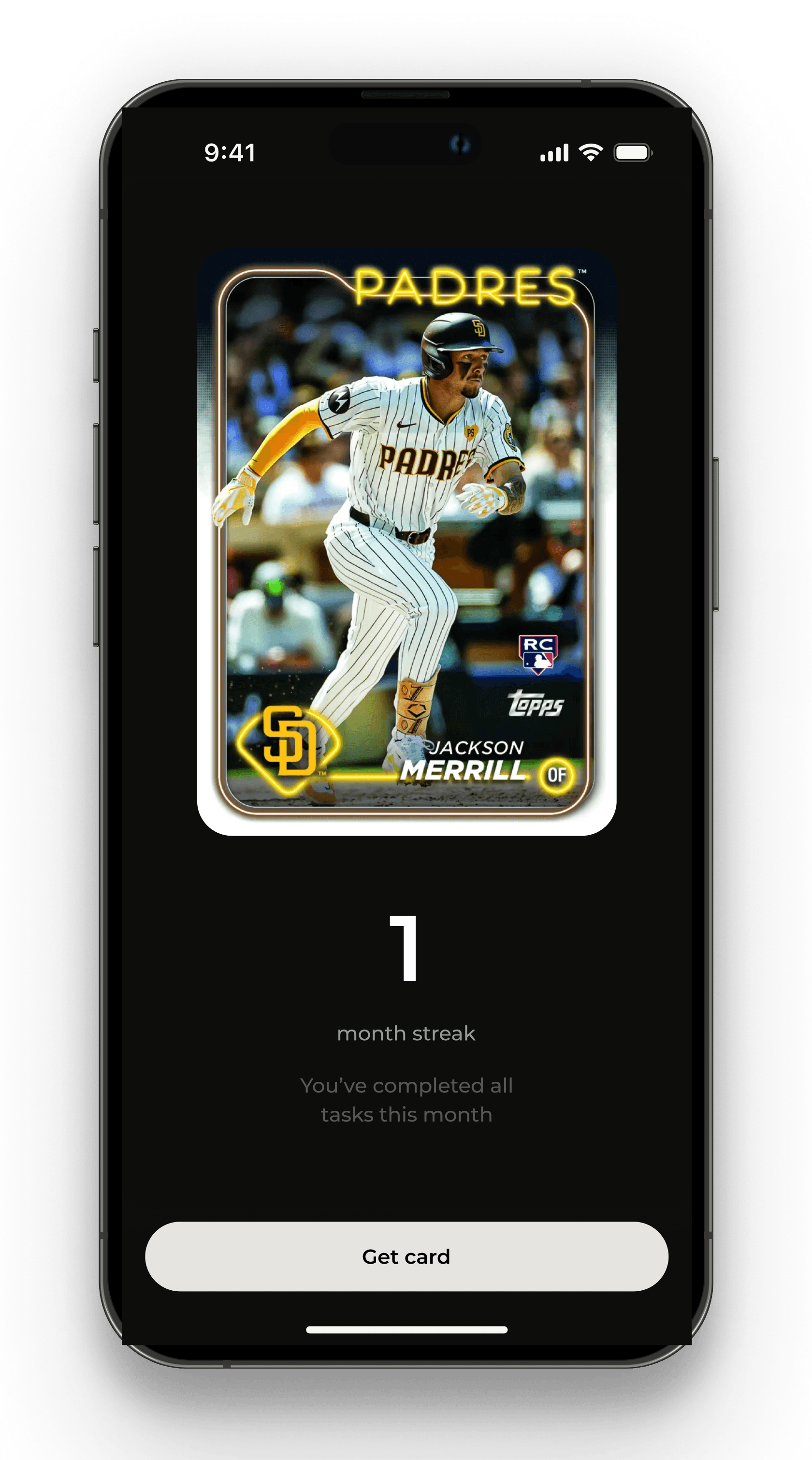
During draft reviews, a QA specialist suggested introducing baseball card rewards. This idea provides cultural value for players, is relatively easy to implement, and has potential to attract additional users in the future.
Expert interview
Instead of usability testing, I conducted an expert interview with a game development specialist to refine the logic of the mechanics, identify edge cases, and understand current gamification trends. Here expert interview results:
Shifted focus to progress-based feedback instead of leaderboards
Simplified the reward economy for the initial release
Next steps
Analyze success metrics and early churn, and adapt mechanics for localized versions of the app.
Product insights
For sports products, real-world progress matters more than in-app rewards.
However, to reinforce this, it is crucial to visualize real performance improvements, as athletes tend to forget their starting point over time.
Final shots